Is MTHPA subject to any transportation regulations?
Leave a message

Is MTHPA subject to any transportation regulations?
As a supplier of MTHPA (Methyltetrahydrophthalic Anhydride), I often get asked about the transportation regulations surrounding this chemical. In this blog post, I'll explore the various aspects of MTHPA transportation regulations, drawing on my experience in the industry and relevant scientific knowledge.
Understanding MTHPA
MTHPA is a widely used anhydride curing agent in the production of epoxy resins. It offers excellent properties such as high reactivity, good heat resistance, and low viscosity, making it a popular choice in various applications, including electrical insulation, composites, and coatings. You can find more detailed information about MTHPA on our website MTHPA.
Chemical Properties and Potential Hazards
Before delving into transportation regulations, it's important to understand the chemical properties and potential hazards of MTHPA. MTHPA is a flammable liquid with a relatively low flash point. It can cause skin and eye irritation upon contact and may be harmful if inhaled or swallowed. These properties classify MTHPA as a hazardous material, which triggers specific transportation regulations.
International and National Regulations
MTHPA transportation is subject to a complex web of international and national regulations. At the international level, the International Maritime Dangerous Goods (IMDG) Code and the International Air Transport Association (IATA) Dangerous Goods Regulations govern the transportation of hazardous materials by sea and air, respectively. These regulations set out strict requirements for packaging, labeling, documentation, and handling of dangerous goods.
In the United States, the Department of Transportation (DOT) regulates the transportation of hazardous materials, including MTHPA, through the Hazardous Materials Regulations (HMR). The HMR covers all modes of transportation, including road, rail, air, and water. It mandates specific packaging standards, marking and labeling requirements, and the use of proper shipping papers.
Packaging Requirements
One of the most critical aspects of MTHPA transportation is proper packaging. The packaging must be designed to prevent leaks, spills, and damage during transit. It should be able to withstand the normal stresses of transportation, including vibration, shock, and temperature changes.
For MTHPA, the packaging must meet the requirements of the relevant regulations. This typically involves using approved containers made of materials that are compatible with MTHPA. For example, steel drums or plastic containers with appropriate liners may be used. The packaging must also be marked with the appropriate hazard labels, indicating the nature of the contents and any special handling instructions.
Labeling and Documentation
In addition to proper packaging, MTHPA shipments must be accompanied by accurate labeling and documentation. The labels on the packaging must clearly indicate the name of the product, its hazard class, and any relevant warning symbols. This helps ensure that everyone involved in the transportation process is aware of the potential risks.
Documentation is also crucial for MTHPA transportation. The shipper must provide a shipping paper that includes detailed information about the product, such as its name, quantity, hazard class, and emergency response procedures. This paper serves as a guide for carriers, emergency responders, and other parties involved in the transportation chain.
Comparison with Similar Compounds
It's interesting to compare MTHPA with other similar compounds, such as THPA (Tetrahydrophthalic Anhydride) and 4-MHHPA (4-Methylhexahydrophthalic Anhydride). While these compounds share some similarities, they may also have different transportation regulations due to their specific chemical properties. You can learn more about THPA on THPA and 4-MHHPA on 4-MHHPA.
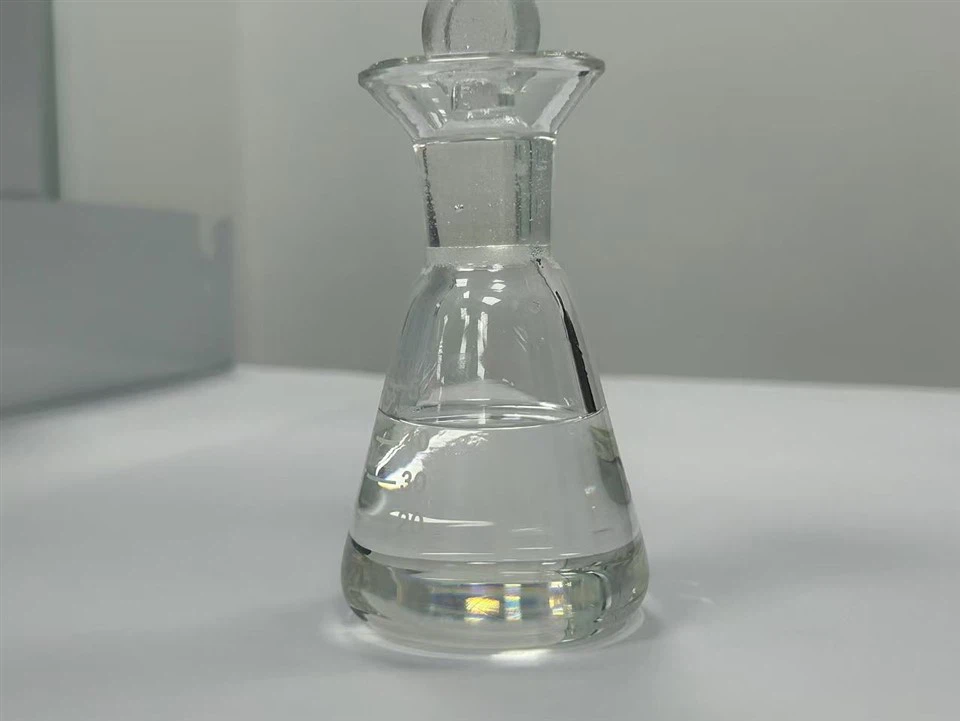

THPA, for example, has a similar chemical structure to MTHPA but may have different flash points and reactivity levels. As a result, its transportation regulations may vary slightly. 4-MHHPA, on the other hand, has its own unique properties that influence its transportation requirements.
Compliance and Safety
Compliance with transportation regulations is not only a legal requirement but also a matter of safety. Failure to comply with these regulations can result in serious consequences, including fines, legal liability, and potential harm to the environment and human health.
As a supplier of MTHPA, we take compliance very seriously. We ensure that all our shipments are properly packaged, labeled, and documented to meet the relevant regulations. We also provide our customers with detailed information about the transportation requirements for MTHPA to help them ensure safe and legal handling.
Conclusion
In conclusion, MTHPA is indeed subject to transportation regulations due to its hazardous nature. These regulations are in place to ensure the safe transportation of this chemical and to protect the environment and human health. As a supplier, we are committed to complying with these regulations and providing our customers with the necessary support and information.
If you are interested in purchasing MTHPA or have any questions about its transportation, please feel free to contact us. We look forward to discussing your needs and providing you with the best solutions.
References
- International Maritime Dangerous Goods (IMDG) Code
- International Air Transport Association (IATA) Dangerous Goods Regulations
- United States Department of Transportation (DOT) Hazardous Materials Regulations (HMR)