

What are the electrical properties of the cured product of MTHPA and epoxy resins?
Leave a message

What are the electrical properties of the cured product of MTHPA and epoxy resins?
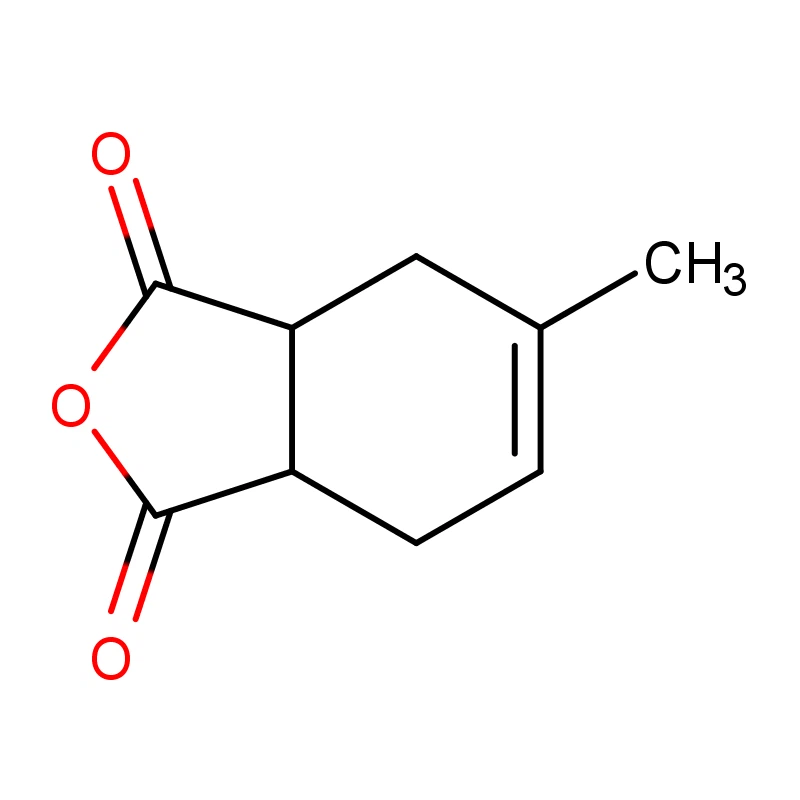
As a supplier of MTHPA (Methyltetrahydrophthalic Anhydride), I am often asked about the electrical properties of the cured product of MTHPA and epoxy resins. In this blog post, I will delve into the details of these electrical properties, highlighting their significance in various applications.
Introduction to MTHPA and Epoxy Resins
MTHPA is a widely used curing agent for epoxy resins. Epoxy resins are known for their excellent mechanical, chemical, and electrical properties, and when combined with MTHPA, they form a cured product with enhanced characteristics. The curing process involves a chemical reaction between the epoxy groups in the resin and the anhydride groups in MTHPA, resulting in a cross - linked polymer network.
Electrical Insulation Properties
One of the most important electrical properties of the cured product of MTHPA and epoxy resins is its high electrical insulation. Electrical insulation is crucial in applications where preventing the flow of electric current is necessary, such as in electrical equipment, transformers, and printed circuit boards.
The cured product has a high dielectric strength, which is the maximum electric field that the material can withstand without breaking down and allowing current to flow. This high dielectric strength makes it suitable for use in high - voltage applications. For example, in power transformers, the cured MTHPA - epoxy resin can insulate the windings from each other and from the surrounding environment, ensuring safe and efficient operation.
The dielectric constant of the cured product is also relatively low. The dielectric constant is a measure of how much electrical energy can be stored in the material when an electric field is applied. A low dielectric constant is desirable in high - frequency applications, as it reduces the amount of energy loss due to dielectric heating. This property makes the cured MTHPA - epoxy resin ideal for use in radio frequency (RF) and microwave devices.
Volume Resistivity
Volume resistivity is another important electrical property. It is a measure of the resistance of a material to the flow of electric current through its volume. The cured product of MTHPA and epoxy resins has a very high volume resistivity, typically in the order of 10^12 to 10^16 ohm - cm. This high resistivity means that the material is an excellent insulator, preventing the leakage of current.
In electrical systems, high volume resistivity is essential to ensure the proper functioning of components and to prevent short - circuits. For instance, in electronic devices, the cured MTHPA - epoxy resin can be used to encapsulate sensitive components, protecting them from electrical interference and preventing current leakage.
Surface Resistivity
Surface resistivity is related to the resistance of the material's surface to the flow of electric current. The cured MTHPA - epoxy resin also has a high surface resistivity. This property is important in applications where the surface of the material may come into contact with other conductive materials or where there is a risk of surface leakage.
In printed circuit boards, for example, the high surface resistivity of the cured MTHPA - epoxy resin helps to prevent the formation of conductive paths on the surface, which could lead to short - circuits and malfunction of the board.
Arc Resistance
Arc resistance is the ability of a material to withstand an electric arc without being damaged. The cured product of MTHPA and epoxy resins has good arc resistance. When an electric arc occurs, it can generate high temperatures and cause damage to the material. However, the cured MTHPA - epoxy resin can resist the effects of the arc for a certain period of time, protecting the underlying components.
This property is particularly important in electrical switchgear and circuit breakers, where arcs can occur during the opening and closing of contacts. The high arc resistance of the cured MTHPA - epoxy resin helps to ensure the safe operation of these devices.

Comparison with Other Anhydride Curing Agents
There are other anhydride curing agents available in the market, such as HHPA, 4 - MHHPA, and THPA. While these agents also have their own advantages, MTHPA offers some unique electrical properties.
Compared to HHPA, MTHPA - cured epoxy resins may have a slightly different dielectric constant and volume resistivity, which can make them more suitable for certain applications. 4 - MHHPA has its own set of characteristics, but MTHPA provides a good balance between electrical properties and cost - effectiveness. THPA is also a popular choice, but MTHPA may offer better arc resistance in some cases.
Applications Based on Electrical Properties
The electrical properties of the cured product of MTHPA and epoxy resins make them suitable for a wide range of applications. In the electrical and electronics industry, they are used in the production of electrical insulators, transformers, printed circuit boards, and electronic components.
In the aerospace industry, the high electrical insulation and arc resistance of the cured MTHPA - epoxy resin are valuable for applications such as wiring harnesses and avionics systems. The automotive industry also benefits from these properties, using the cured product in electrical systems and sensors.
Conclusion and Call to Action
In conclusion, the cured product of MTHPA and epoxy resins has excellent electrical properties, including high electrical insulation, high volume and surface resistivity, good arc resistance, and a suitable dielectric constant. These properties make it a versatile material for a variety of applications in different industries.
If you are interested in purchasing MTHPA for your projects or would like to discuss its electrical properties further, please feel free to contact us. We are ready to provide you with high - quality MTHPA and professional technical support to meet your specific needs.
References
- Lee, H., & Neville, K. (1967). Handbook of Epoxy Resins. McGraw - Hill.
- May, C. A. (1988). Epoxy Resins: Chemistry and Technology. Marcel Dekker.
- Mark, J. E., & Erman, B. (1992). Science and Technology of Rubber. Academic Press.


