

What personal protective equipment is needed when working with MTHPA?
Leave a message

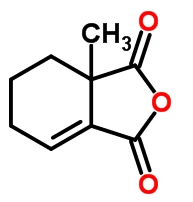
When it comes to working with MTHPA (Methyltetrahydrophthalic Anhydride), personal protective equipment (PPE) is of utmost importance. As a supplier of MTHPA, I've seen firsthand the need for proper safety measures in handling this chemical. In this blog, I'll go over the essential PPE you need when working with MTHPA.
Why PPE is Crucial
MTHPA is a reactive chemical commonly used as a curing agent in epoxy resin systems. It can cause skin irritation, eye damage, and respiratory problems if proper precautions aren't taken. That's why wearing the right PPE is non - negotiable. It not only protects you from potential harm but also ensures a safe working environment.
Essential PPE for Working with MTHPA
1. Safety Goggles
Your eyes are one of the most vulnerable parts of your body when working with MTHPA. Even a small splash can cause serious eye irritation or damage. Safety goggles provide a physical barrier between your eyes and the chemical. They should fit snugly around your eyes to prevent any MTHPA from getting in. Look for goggles that are chemical - resistant and have a wide field of vision. This way, you can work comfortably without sacrificing safety.
2. Chemical - Resistant Gloves
Gloves are a must - have when handling MTHPA. They protect your hands from direct contact with the chemical, which can cause skin irritation, burns, or allergic reactions. Choose gloves made from materials that are resistant to MTHPA, such as nitrile or neoprene. These materials offer good chemical resistance and durability. Make sure the gloves fit properly and cover your wrists to prevent any chemical from seeping in.
3. Protective Clothing
Wearing appropriate protective clothing is another key aspect of safety. A chemical - resistant apron or coverall can prevent MTHPA from coming into contact with your skin. It should be made of a material that can withstand the chemical and is easy to clean or dispose of. Long - sleeved shirts and pants also add an extra layer of protection. Avoid wearing loose - fitting clothing as it can catch on equipment and increase the risk of exposure.
4. Respirator
Inhalation of MTHPA vapors can cause respiratory problems, including irritation of the nose, throat, and lungs. A respirator is essential to protect your lungs from these harmful vapors. Depending on the level of exposure, you may need a half - face or full - face respirator. Make sure the respirator is properly fitted and the filters are suitable for MTHPA. Regularly check and replace the filters to ensure maximum protection.
5. Foot Protection
Don't forget about your feet! Chemical - resistant boots can protect your feet from spills or splashes of MTHPA. They should cover your ankles and be made of a material that is resistant to the chemical. Steel - toed boots are also a good option as they provide additional protection against physical hazards.
Other Safety Considerations
In addition to wearing the right PPE, there are other safety measures you should take when working with MTHPA. First, make sure the work area is well - ventilated. Good ventilation helps to reduce the concentration of MTHPA vapors in the air. You can use local exhaust ventilation systems or work in an area with open windows.
Second, have an emergency eyewash station and a safety shower nearby. In case of accidental exposure to MTHPA, you can quickly rinse your eyes or body to minimize the damage.
Third, follow proper handling and storage procedures. Store MTHPA in a cool, dry place away from heat sources and incompatible materials. Always read the safety data sheet (SDS) before using MTHPA to understand its hazards and safety precautions.
Comparing MTHPA with Related Chemicals
There are other similar chemicals in the market, such as HHPA (Hexahydrophthalic Anhydride) and 3 - MHHPA+4 - MHHPA. Each of these chemicals has its own properties and safety requirements. HHPA is also used as a curing agent and has a lower volatility compared to MTHPA. However, it still requires proper PPE when handling. MTHPA is known for its good reactivity and is widely used in various applications.
Conclusion
Working with MTHPA can be safe as long as you take the necessary precautions and wear the right PPE. As a MTHPA supplier, I'm committed to providing high - quality products and ensuring the safety of our customers. If you're in the market for MTHPA or have any questions about safety, don't hesitate to reach out. We're here to help you make the right choices for your business.
References
- Safety Data Sheets for MTHPA, HHPA, and 3 - MHHPA+4 - MHHPA
- Occupational Safety and Health Administration (OSHA) guidelines on chemical handling and PPE


