

What should I do if I come into contact with HHPA?
Leave a message

When dealing with chemicals like HHPA (Hexahydrophthalic Anhydride), it's crucial to understand the proper procedures, especially if you come into contact with it. As a supplier of HHPA, I've encountered numerous inquiries about safety and what to do in case of contact. In this blog, I'll share comprehensive information to help you handle such situations effectively.
Understanding HHPA
HHPA is a widely used chemical in various industries, including the production of epoxy resins, coatings, and plasticizers. It's known for its excellent reactivity and compatibility, making it a popular choice for many applications. However, like many chemicals, it can pose risks if not handled properly.
HHPA can cause irritation to the skin, eyes, and respiratory system. In severe cases, prolonged or repeated exposure can lead to more serious health issues. Therefore, it's essential to take immediate action if you come into contact with HHPA.
If You Come into Skin Contact
The first step if HHPA comes into contact with your skin is to act quickly. Remove any contaminated clothing immediately to prevent further exposure. Then, rinse the affected area with plenty of lukewarm water for at least 15 minutes. Use mild soap to gently clean the skin, but avoid scrubbing too hard as this can cause further irritation.
After rinsing, carefully dry the area with a clean towel. If you notice any signs of irritation, such as redness, swelling, or itching, apply a soothing emollient or a mild corticosteroid cream as directed. Monitor the affected area closely for the next few days. If the irritation persists or worsens, seek medical attention promptly.
It's also important to note that some individuals may be more sensitive to HHPA than others. If you have a history of skin allergies or sensitivities, take extra precautions when handling this chemical. Wear appropriate personal protective equipment (PPE), such as gloves and long - sleeved clothing, to minimize the risk of contact.
Eye Contact
Eye contact with HHPA is a serious matter and requires immediate attention. If HHPA gets into your eyes, immediately flush them with clean, lukewarm water for at least 20 minutes. Keep your eyes open and move them around to ensure thorough rinsing. You can use an eyewash station if available; otherwise, use a gentle stream of water from a faucet or a clean container.
Do not rub your eyes during the rinsing process, as this can spread the chemical and cause more damage. After rinsing, cover your eyes with a clean, dry cloth and seek medical help right away. Even if you don't experience immediate pain or discomfort, it's still important to have your eyes examined by a professional to rule out any potential long - term damage.
Inhalation
If you inhale HHPA vapors or dust, move to an area with fresh air immediately. Sit or lie down and try to relax. If you're having difficulty breathing, loosen any tight clothing around your neck and chest.
If the inhalation is mild and you start to feel better after a few minutes in fresh air, continue to monitor your symptoms. However, if you experience coughing, wheezing, shortness of breath, or chest pain, seek medical attention without delay. In some cases, inhalation of HHPA can cause respiratory tract irritation, bronchitis, or even more severe lung problems.
Ingestion
Ingesting HHPA is extremely dangerous and requires immediate medical attention. Do not induce vomiting unless instructed to do so by a medical professional. Rinse your mouth with water several times to remove any remaining chemical.
Call the local poison control center or emergency medical services right away. Provide them with as much information as possible about the chemical, including the amount ingested and the time of ingestion.
Prevention and Safety Measures
As a supplier, I always emphasize the importance of prevention. Here are some key safety measures to follow when handling HHPA:

- Use PPE: Wear appropriate personal protective equipment, such as gloves, safety goggles, and a respirator. Make sure the PPE is in good condition and fits properly.
- Work in a Well - Ventilated Area: Ensure that your workspace has adequate ventilation to prevent the buildup of HHPA vapors. Use exhaust fans or work in an open - air environment if possible.
- Store Properly: Store HHPA in a cool, dry place away from heat sources, open flames, and incompatible substances. Keep the containers tightly closed when not in use.
- Training: Provide proper training to all employees who handle HHPA. Make sure they understand the hazards associated with the chemical and know how to use it safely.
Related Chemicals
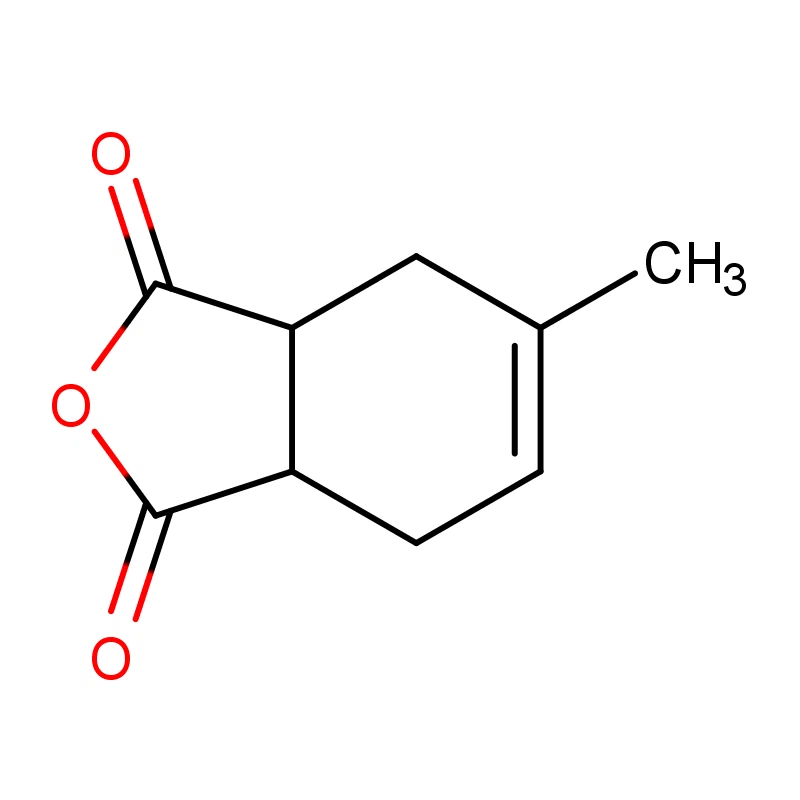
There are several related chemicals that are also used in similar applications. For example, 4 - MHHPA and THPA are commonly used as anhydride curing agents. They have similar properties to HHPA but may have different levels of reactivity and toxicity. Another combination is 3 - MHHPA+4 - MHHPA, which offers unique performance characteristics for specific applications.
Conclusion
Coming into contact with HHPA can be a stressful situation, but by following the proper procedures, you can minimize the risk of serious health problems. Remember to act quickly, whether it's skin contact, eye contact, inhalation, or ingestion. Prevention is always better than cure, so make sure to follow all safety measures when handling this chemical.
If you're in the market for high - quality HHPA or related chemicals, I encourage you to reach out for a procurement discussion. We're committed to providing safe and reliable products, along with expert advice on handling and using them. Let's work together to ensure your operations are both efficient and safe.
References
- "Safety Data Sheet for Hexahydrophthalic Anhydride", Chemical Manufacturer's Database
- "Occupational Safety and Health Guidelines for Chemical Handling", National Institute for Occupational Safety and Health (NIOSH)


