

What are the storage conditions for HHPA?
Leave a message

Hey there! As a supplier of HHPA, I often get asked about the storage conditions for this product. So, I thought I'd write a blog post to share some insights on this topic.
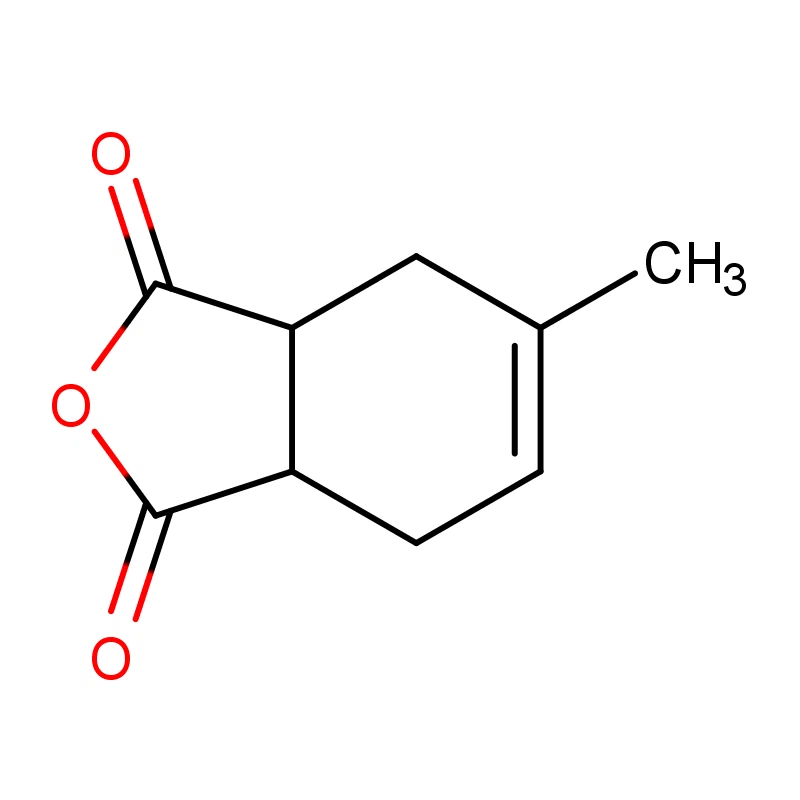
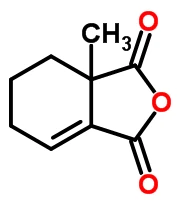
First off, let's quickly talk about what HHPA is. HHPA, or HHPA, is an important chemical compound used in a variety of industries. It's commonly used as a curing agent in epoxy resin systems, which are used in things like coatings, adhesives, and composites. There are also related compounds like MTHPA and 4 - MHHPA that have similar applications but different properties.
Now, let's dive into the storage conditions for HHPA.
Temperature
Temperature is a crucial factor when it comes to storing HHPA. HHPA should be stored in a cool environment. The ideal temperature range for storing HHPA is between 10°C and 30°C. Why is this temperature range so important? Well, if the temperature is too high, HHPA can start to degrade. High temperatures can cause chemical reactions within the compound, which can change its properties and reduce its effectiveness as a curing agent.
On the other hand, if the temperature is too low, HHPA may solidify. Solidification can make it difficult to handle and use the product. When HHPA solidifies, you'll need to heat it up to get it back to a liquid state. But repeated heating and cooling can also have a negative impact on the quality of the product. So, it's really important to keep the storage temperature within that recommended range.
Humidity
Humidity is another key consideration. HHPA is sensitive to moisture. It can react with water in the air, which can lead to hydrolysis. Hydrolysis is a chemical reaction where water breaks down the HHPA molecule. This can result in the formation of unwanted by - products and a decrease in the purity of the HHPA.
To prevent hydrolysis, HHPA should be stored in a dry place. The relative humidity in the storage area should be kept below 60%. You can use dehumidifiers in the storage facility to control the humidity levels. Also, make sure the storage containers are tightly sealed. This will help to keep moisture out and protect the HHPA from reacting with water vapor in the air.
Light
Exposure to light can also affect the quality of HHPA. Ultraviolet (UV) light, in particular, can cause photochemical reactions in HHPA. These reactions can change the chemical structure of the compound and reduce its performance.
So, it's best to store HHPA in a dark place. If possible, use opaque storage containers. This will block out the light and protect the HHPA from the harmful effects of UV radiation. If you're storing HHPA in a warehouse, make sure the area is well - shaded and not directly exposed to sunlight.
Storage Containers
The type of storage container you use for HHPA is very important. HHPA should be stored in containers made of materials that are resistant to corrosion and chemical reactions. Stainless steel containers are a great choice. They are strong, durable, and resistant to the corrosive effects of HHPA.
Plastic containers can also be used, but make sure they are made of a suitable plastic material. Some plastics may react with HHPA over time, so it's important to choose a plastic that is compatible with the compound. Polyethylene and polypropylene are two plastics that are often used for storing HHPA.
Make sure the containers are clean before you fill them with HHPA. Any contaminants in the container can affect the quality of the product. Also, label the containers clearly with the name of the product, the date of storage, and any other relevant information. This will help you keep track of the inventory and ensure that you're using the oldest stock first.
Ventilation
Proper ventilation is essential when storing HHPA. HHPA can release vapors, especially if the temperature is a bit on the high side. These vapors can be harmful if inhaled in large quantities.
So, the storage area should be well - ventilated. You can use exhaust fans to remove the vapors from the storage area. This will help to keep the air in the storage facility fresh and safe for workers. Also, make sure there are no sources of ignition in the storage area. HHPA vapors are flammable, so it's important to prevent any potential fire hazards.
Handling and Transportation
When it comes to handling and transporting HHPA, the same storage principles apply. Make sure the product is kept at the right temperature, away from moisture and light, and in suitable containers. During transportation, use insulated trucks or containers to maintain the temperature.
If you're transferring HHPA from one container to another, do it carefully. Use proper transfer equipment and make sure there are no spills. Spills can not only waste the product but also pose a safety hazard.
Monitoring
It's a good idea to regularly monitor the storage conditions of HHPA. You can use temperature and humidity sensors in the storage area to keep track of the environmental conditions. Check the sensors regularly to make sure the temperature and humidity are within the recommended ranges.
Also, inspect the storage containers for any signs of damage or leakage. If you notice any problems, take immediate action to address them. This will help to ensure the quality and safety of the HHPA.
Conclusion
In conclusion, storing HHPA properly is crucial to maintain its quality and effectiveness. By following the storage conditions I've outlined above, you can ensure that your HHPA remains in good condition and performs well when used as a curing agent.
If you're in the market for high - quality HHPA, I'd love to talk to you. Whether you're a small - scale manufacturer or a large industrial company, I can provide you with the HHPA you need. Just reach out to me, and we can discuss your requirements and work out the best solution for your business.
References
- Chemical Safety Data Sheets for HHPA
- Industry best practices for storing chemical compounds
- Research studies on the stability of anhydride curing agents


