

What are the environmental protection advantages of new HHPA production technologies?
Leave a message

As an HHPA supplier, I'm super excited to share with you the amazing environmental protection advantages of new HHPA production technologies. In today's world, where environmental concerns are at the forefront of everyone's minds, these new technologies are a game - changer.

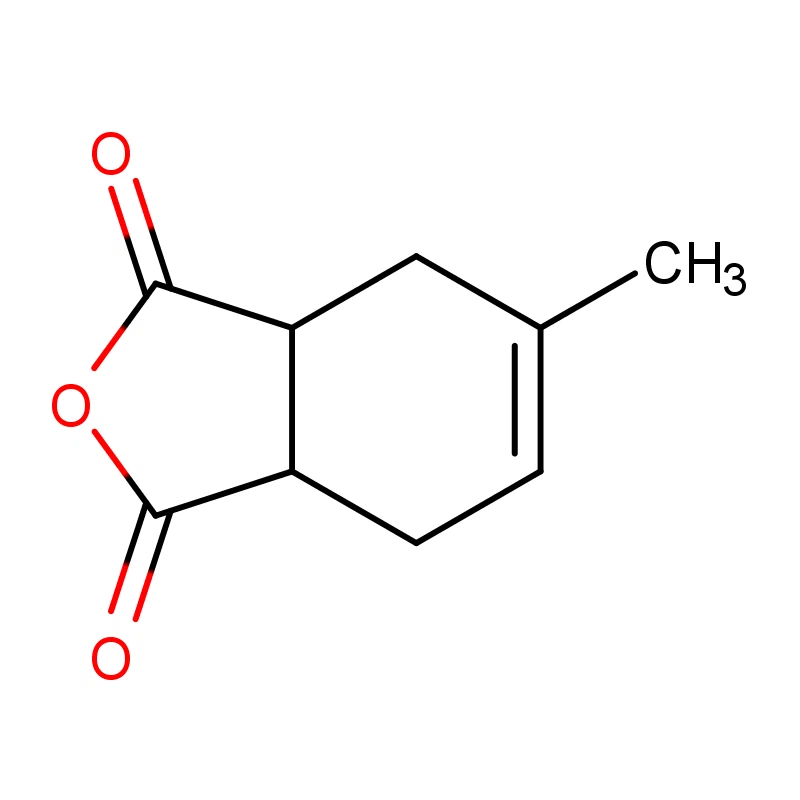
Let's first understand what HHPA is. HHPA, or link to "HHPA", is a crucial chemical compound widely used in various industries, such as the electronics and coatings sectors. It's known for its excellent performance as a curing agent, but traditional production methods have had some environmental drawbacks.
One of the major environmental issues with old - school HHPA production was the high energy consumption. The traditional processes required a ton of energy to run the reactors and distillation columns. This not only led to a large carbon footprint but also increased the overall cost of production. However, new HHPA production technologies have addressed this problem head - on.
The new methods are much more energy - efficient. They use advanced catalysts and optimized reaction conditions that reduce the amount of energy needed to produce HHPA. For example, some new technologies employ novel catalysts that can speed up the reaction at lower temperatures. This means less energy is required to heat up the reaction vessels, resulting in significant energy savings. According to recent studies, these new processes can cut energy consumption by up to 30% compared to traditional methods. This reduction in energy use directly translates to a decrease in greenhouse gas emissions, which is a huge win for the environment.
Another big environmental advantage is the reduction of waste generation. In the past, traditional HHPA production generated a fair amount of waste by - products. These waste materials were often difficult to dispose of properly and could cause pollution if not handled correctly. New production technologies, on the other hand, are designed to minimize waste.
They do this by improving the selectivity of the reactions. With better - designed catalysts and reaction systems, the new processes can produce HHPA with a higher purity in a single step, reducing the need for multiple purification steps that generate waste. Additionally, some of the by - products that are still produced can now be recycled and reused in the production process. For instance, certain intermediate compounds that were previously discarded can be converted back into useful starting materials, closing the loop and reducing the overall waste output.
Water pollution was also a concern with traditional HHPA production. The old processes used large amounts of water for cooling and washing purposes, and this water often became contaminated with chemicals. New technologies have introduced closed - loop water systems. These systems recycle the water used in the production process, minimizing water consumption and preventing the release of contaminated water into the environment. By reusing the water, we not only conserve this precious resource but also avoid the pollution of local water bodies.
Now, let's talk about the impact on air quality. Traditional HHPA production could release volatile organic compounds (VOCs) and other harmful pollutants into the air. These pollutants are not only bad for the environment but also pose health risks to workers and nearby communities. The new production technologies have made significant improvements in this area as well.
They incorporate advanced ventilation and filtration systems to capture and treat any emissions. Additionally, the new processes are designed to use less volatile solvents and reagents, reducing the potential for VOC emissions. This means that the air around the production facilities is cleaner, which is great for both the environment and the people living in the vicinity.
When it comes to specific types of HHPA, such as link to "4 - MHHPA" and link to "3 - MHHPA+4 - MHHPA", the new production technologies offer similar environmental benefits. The energy - efficient and waste - reducing features apply across the board, ensuring that all forms of HHPA are produced in a more environmentally friendly way.
In addition to the direct environmental advantages, these new technologies also have some indirect benefits. For example, the reduced energy consumption and waste generation can lower the production costs. This means that we can offer more competitive prices to our customers without sacrificing quality. And as more and more companies are looking to be more environmentally responsible, the demand for HHPA produced using these new technologies is on the rise.
If you're in the market for high - quality, environmentally friendly HHPA, I encourage you to reach out to us. We're committed to providing the best products while also doing our part to protect the environment. Whether you're in the electronics industry, coatings, or any other sector that uses HHPA, we can offer you a solution that meets your needs. Don't hesitate to contact us for more information or to start a procurement discussion.
References:
- Industry reports on chemical production technologies and environmental impacts.
- Research papers on advanced catalytic processes for HHPA production.
- Studies on water and energy conservation in chemical manufacturing.


