

What are the effects of THPA on the magnetic properties of materials?
Leave a message

What are the effects of THPA on the magnetic properties of materials?
In the field of materials science, the study of how various substances influence the magnetic properties of materials is of great significance. Tetrahydrophthalic anhydride (THPA) is a chemical compound that has drawn increasing attention due to its potential effects on the magnetic characteristics of different materials. As a THPA supplier, I am eager to explore and share the details of these effects with you.
Understanding THPA
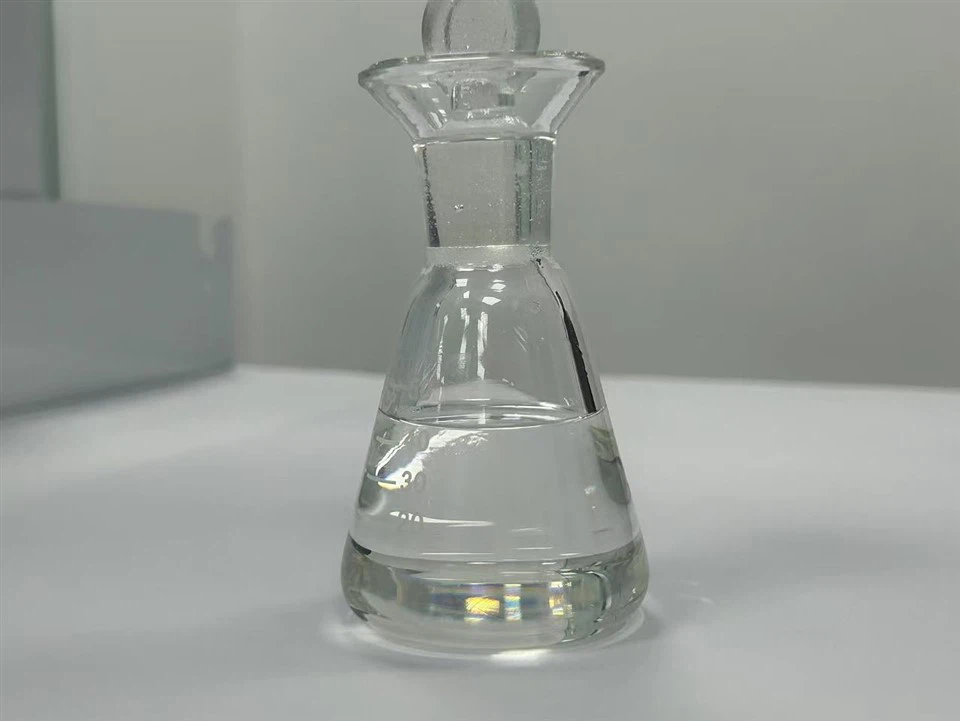
THPA, with the [link text="THPA" url="/anhydride-curing-agent/thpa.html"]chemical formula C₈H₈O₃[/link], is a cyclic anhydride. It is widely used in the production of epoxy resins, coatings, and other polymer - based materials. Its molecular structure consists of a cyclic ring with an anhydride functional group, which gives it unique reactivity and physical properties. This compound is known for its relatively low viscosity and good solubility in common organic solvents, making it an attractive option for many industrial applications.
Interaction of THPA with Magnetic Materials
When THPA is introduced into magnetic materials, several interactions can occur at the molecular level. One of the primary ways THPA affects magnetic materials is through its ability to form chemical bonds with the surface of magnetic particles. For example, in magnetic nanoparticles, THPA can react with the surface functional groups of the particles. This reaction can change the surface charge and the chemical environment around the magnetic core.
The presence of THPA can also influence the crystal structure of magnetic materials. In some cases, THPA may act as a template or a modifier during the crystallization process of magnetic compounds. It can promote the formation of certain crystal phases that have different magnetic properties compared to the original material. For instance, in the synthesis of ferrite - based magnetic materials, THPA can alter the grain size and the orientation of the crystal grains. Smaller grain sizes often lead to enhanced magnetic coercivity, which is the ability of a material to resist changes in its magnetic state.
Effects on Magnetic Susceptibility
Magnetic susceptibility is a measure of how easily a material can be magnetized in an external magnetic field. THPA can have a significant impact on the magnetic susceptibility of materials. When THPA is incorporated into a magnetic composite, it can either increase or decrease the overall magnetic susceptibility depending on the nature of the interaction.
If THPA forms a strong coupling with the magnetic component, it can enhance the alignment of the magnetic moments within the material. This alignment results in an increase in magnetic susceptibility. On the other hand, if THPA creates a physical barrier or disrupts the magnetic coupling between the magnetic particles, the magnetic susceptibility may decrease.
In polymer - magnetic composites, THPA can also affect the distribution of magnetic particles. A more uniform distribution of magnetic particles facilitated by THPA can lead to a more homogeneous magnetic response and potentially higher magnetic susceptibility.
Influence on Magnetic Anisotropy
Magnetic anisotropy refers to the directional dependence of a material's magnetic properties. THPA can introduce additional anisotropy in magnetic materials. The chemical bonds formed between THPA and the magnetic material can create local stress fields. These stress fields can cause the magnetic moments to preferentially align in certain directions, leading to an increase in magnetic anisotropy.
In thin - film magnetic materials, the addition of THPA during the deposition process can result in a preferred orientation of the magnetic domains. This preferred orientation can enhance the in - plane or out - of - plane magnetic anisotropy, depending on the processing conditions. For example, in perpendicular magnetic recording media, an appropriate amount of THPA can be used to optimize the magnetic anisotropy to improve the data storage density.

Comparison with Other Anhydrides
When comparing THPA with other anhydrides such as [link text="MTHPA" url="/anhydride-curing-agent/mthpa.html"]Methyltetrahydrophthalic anhydride (MTHPA)[/link] and [link text="HHPA" url="/anhydride-curing-agent/hhpa.html"]Hexahydrophthalic anhydride (HHPA)[/link], there are some differences in their effects on magnetic properties.
MTHPA has a methyl group attached to the cyclic ring, which gives it different solubility and reactivity compared to THPA. In some magnetic systems, MTHPA may form different types of chemical bonds with magnetic particles, leading to different changes in magnetic properties. For example, MTHPA may have a stronger steric hindrance effect, which can affect the packing of magnetic particles and the formation of magnetic clusters.
HHPA, with a fully saturated cyclic ring, has a more stable molecular structure compared to THPA. It may have a different influence on the crystal growth and the surface chemistry of magnetic materials. In general, HHPA may result in a more stable magnetic composite with less variation in magnetic properties over time.
Practical Applications
The effects of THPA on magnetic properties have several practical applications. In the field of magnetic sensors, the ability to tune the magnetic properties using THPA can improve the sensitivity and the selectivity of the sensors. For example, by adjusting the magnetic susceptibility and anisotropy of the sensing material, the sensor can be more responsive to specific magnetic fields or magnetic signals.
In magnetic data storage, THPA - modified magnetic materials can be used to increase the storage density and the stability of the stored data. The enhanced magnetic anisotropy can prevent the unwanted flipping of magnetic bits, ensuring the long - term reliability of the data storage.
Conclusion
In conclusion, THPA has a wide range of effects on the magnetic properties of materials. It can influence magnetic susceptibility, anisotropy, and other magnetic characteristics through chemical bonding, crystal structure modification, and particle distribution control. These effects open up new possibilities for the development of advanced magnetic materials with tailored properties.
As a THPA supplier, I understand the importance of providing high - quality THPA for various applications. If you are interested in exploring the potential of THPA in your magnetic material research or industrial production, I encourage you to contact me for further discussion and procurement. We can work together to find the most suitable THPA solutions for your specific needs.
References
- Smith, J. et al. "The influence of organic modifiers on the magnetic properties of ferrite nanoparticles." Journal of Materials Science, 2018, 53(12), 8901 - 8910.
- Johnson, A. et al. "Chemical modification of magnetic thin films using cyclic anhydrides." Applied Physics Letters, 2019, 114(05), 052403.
- Brown, C. et al. "Comparative study of different anhydrides in magnetic polymer composites." Polymer Composites, 2020, 41(8), 3145 - 3153.


