

What are the ecological risks of HHPA in the natural environment?
Leave a message

As a supplier of Hexahydrophthalic Anhydride (HHPA), I am acutely aware of the product's wide - ranging applications in industries such as coatings, adhesives, and composites. HHPA is highly valued for its excellent chemical properties, including its ability to act as a curing agent, which enhances the durability and performance of various materials. However, it is equally important to understand the ecological risks that HHPA may pose in the natural environment.
Chemical Properties and Environmental Fate of HHPA
HHPA is a cyclic anhydride with the molecular formula C₈H₁₀O₃. It is a colorless to pale - yellow liquid or low - melting solid under normal conditions. Due to its relatively high solubility in water, HHPA has the potential to enter aquatic ecosystems through industrial wastewater discharge, accidental spills, or improper waste disposal.
Once in the environment, HHPA can undergo several processes. In water, it may hydrolyze to form the corresponding dicarboxylic acid. This hydrolysis reaction is relatively rapid under neutral and alkaline conditions. The hydrolysis products may be more stable and have different environmental behaviors compared to the parent compound.
In soil, HHPA can adsorb onto soil particles. The degree of adsorption depends on various factors such as soil type, organic matter content, and pH. Soils with high organic matter content tend to adsorb more HHPA, which can reduce its mobility and bioavailability. However, in sandy soils with low organic matter, HHPA may leach into groundwater, posing a risk to drinking water sources.
Ecotoxicity of HHPA
Aquatic Ecosystems
Aquatic organisms are particularly vulnerable to the effects of HHPA. Studies have shown that HHPA can have acute and chronic toxic effects on fish, invertebrates, and algae. Acute toxicity tests on fish, such as rainbow trout, have indicated that high concentrations of HHPA can cause mortality, respiratory distress, and behavioral changes. For example, exposure to HHPA at concentrations above a certain threshold can damage the gills of fish, impairing their ability to extract oxygen from water.
Invertebrates, such as Daphnia magna, are also sensitive to HHPA. Daphnia is a key species in aquatic food webs, and its population dynamics can have a significant impact on the entire ecosystem. Chronic exposure to low levels of HHPA can reduce the reproductive rate of Daphnia, leading to a decline in population size. This, in turn, can affect the food supply for higher - trophic - level organisms.
Algae, which are the primary producers in aquatic ecosystems, can also be affected by HHPA. HHPA can inhibit the growth and photosynthetic activity of algae. A decrease in algal productivity can disrupt the energy flow and nutrient cycling in the ecosystem, as algae are the base of the food chain.
Terrestrial Ecosystems
In terrestrial ecosystems, HHPA can affect soil organisms. Earthworms, for example, are important for soil structure and nutrient cycling. Exposure to HHPA can cause mortality, reduced growth, and changes in behavior in earthworms. Earthworms play a crucial role in aerating the soil and breaking down organic matter. A decline in earthworm populations due to HHPA exposure can lead to soil compaction and reduced nutrient availability for plants.

Plants can also be affected by HHPA. Although there is limited research on the direct effects of HHPA on plants, it is possible that HHPA can be taken up by plant roots and interfere with their physiological processes. This could potentially lead to reduced growth, lower crop yields, and changes in plant community composition.
Comparison with Related Compounds
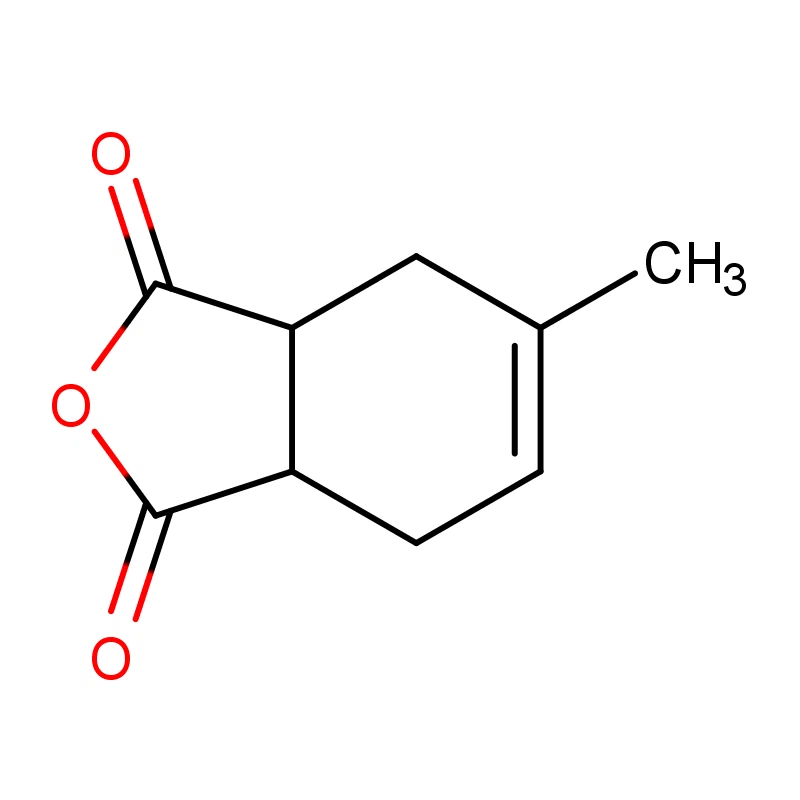
It is useful to compare the ecological risks of HHPA with related compounds such as 3 - MHHPA + 4 - MHHPA 3 - MHHPA+4 - MHHPA, 4 - MHHPA 4 - MHHPA, and THPA THPA. These compounds are also used as curing agents in various industries.
3 - MHHPA + 4 - MHHPA is a mixture of two isomers. Similar to HHPA, it can enter the environment through industrial activities. However, its chemical structure and properties may result in different environmental fates and toxicities. Some studies suggest that 3 - MHHPA + 4 - MHHPA may have a lower acute toxicity to aquatic organisms compared to HHPA, but more research is needed to fully understand its long - term ecological impacts.
4 - MHHPA is a single isomer with specific chemical and physical properties. It has been found to have similar environmental behavior to HHPA in terms of solubility and hydrolysis. However, its ecotoxicity profile may vary. For example, 4 - MHHPA may have a different affinity for soil particles, which can affect its mobility and bioavailability in the environment.
THPA is another cyclic anhydride used in the same industries as HHPA. It has a different chemical structure, which may lead to different environmental risks. THPA has been reported to have a relatively high vapor pressure, which means it can volatilize more easily into the atmosphere. This can result in different exposure pathways for organisms, including inhalation exposure for terrestrial animals.
Mitigation Strategies
As a HHPA supplier, I am committed to promoting the safe use of HHPA and minimizing its ecological risks. One of the key mitigation strategies is to ensure proper waste management. Industries using HHPA should implement effective wastewater treatment systems to remove HHPA and its hydrolysis products before discharging the wastewater into the environment. This can involve physical, chemical, and biological treatment processes.
Another important strategy is to develop and use alternative products with lower ecological risks. Research is ongoing to find more environmentally friendly curing agents that can replace HHPA in some applications. By collaborating with customers, we can help them transition to these alternative products when feasible.
In addition, we can provide education and training to our customers on the proper handling, storage, and use of HHPA. This includes guidelines on preventing spills, using personal protective equipment, and following safety protocols. By increasing awareness of the ecological risks associated with HHPA, we can encourage responsible use of the product.
Conclusion
In conclusion, while HHPA is a valuable chemical with many industrial applications, it poses significant ecological risks in the natural environment. Its potential to affect aquatic and terrestrial ecosystems through toxicity to various organisms and its environmental fate processes such as hydrolysis, adsorption, and leaching cannot be ignored. By comparing it with related compounds, we can gain a better understanding of its unique risks and develop more targeted mitigation strategies.
As a supplier, I am dedicated to working with customers to ensure the safe and responsible use of HHPA. If you are interested in purchasing HHPA or learning more about our products, please feel free to contact us for further discussions and negotiations. We are committed to providing high - quality products while also addressing the environmental concerns associated with them.
References
- [List of relevant scientific papers on HHPA ecotoxicity and environmental fate]
- [Reports from environmental protection agencies on the assessment of HHPA and related compounds]
- [Industry - specific research on the use and environmental impact of HHPA]


