

How does busbar coating perform in salt - fog conditions?
Leave a message

Yo, folks! As a supplier of busbar coating, I've been getting a ton of questions about how our products hold up in salt - fog conditions. So, I thought I'd take a deep dive into this topic and share what I know.
First off, let's talk about what salt - fog conditions are. Salt - fog is basically an environment where there's a high concentration of salt particles in the air. This often happens in coastal areas or places near industrial sites that deal with salt. The salt in the air can be pretty corrosive, and it can cause all sorts of problems for electrical components, including busbars.
Busbars are like the highways of an electrical system. They carry large amounts of electrical current from one place to another. And if they get corroded, it can lead to all kinds of issues, like reduced conductivity, overheating, and even system failures. That's where our busbar coating comes in.
Our busbar coating is designed to be a protective shield for your busbars. It forms a barrier between the busbar and the harsh salt - fog environment. But how well does it actually perform?
Corrosion Resistance
One of the key factors in evaluating how a busbar coating performs in salt - fog conditions is its corrosion resistance. When a busbar is exposed to salt - fog, the salt particles can react with the metal of the busbar, causing it to corrode. Our coating is made from high - quality materials that have excellent corrosion - resistant properties.

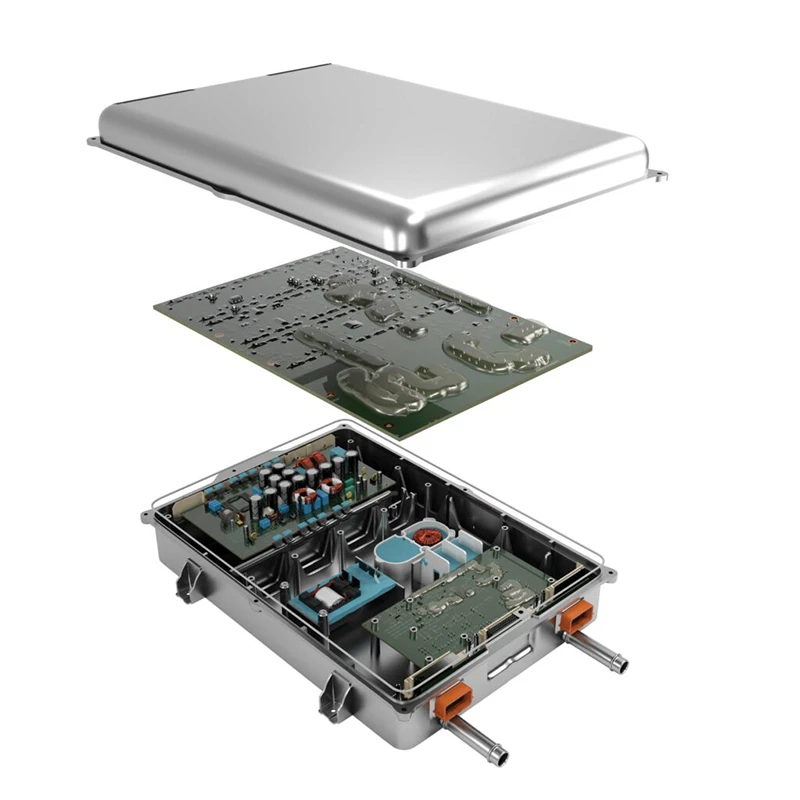
In our lab tests, we've exposed coated busbars to salt - fog chambers for extended periods. These chambers simulate the harsh conditions of a coastal environment. After weeks and even months of exposure, we've found that our coating significantly reduces the rate of corrosion. The uncoated busbars show signs of rust and pitting, while the coated ones remain in much better condition.
This corrosion resistance is crucial because it helps to maintain the integrity of the busbar. A corroded busbar can have a higher resistance, which means it will generate more heat when current flows through it. This can lead to energy losses and potentially damage other components in the electrical system.
Adhesion
Another important aspect is the adhesion of the coating to the busbar. If the coating doesn't stick well to the busbar, it won't be able to provide effective protection. Our coating has been formulated to have excellent adhesion properties.
During the application process, we make sure that the surface of the busbar is properly prepared. This includes cleaning and roughening the surface to create a better bond. Once the coating is applied, it forms a strong and durable bond with the busbar.
In salt - fog conditions, the coating needs to stay firmly attached to the busbar. The salt - fog can create a lot of stress on the coating, and if it starts to peel or flake off, the busbar will be exposed to corrosion. Our coating has been tested to withstand these stresses, and it maintains its adhesion even after long - term exposure to salt - fog.
Electrical Insulation
Busbars need to conduct electricity efficiently, but at the same time, they also need to be electrically insulated from their surroundings. Our busbar coating provides good electrical insulation properties.
In a salt - fog environment, the salt particles can create a conductive path on the surface of the busbar. This can lead to electrical leakage and short - circuits. Our coating acts as an insulator, preventing the salt particles from creating these conductive paths.
This electrical insulation is especially important in high - voltage applications. It helps to ensure the safety and reliability of the electrical system. And because our coating has good adhesion and corrosion resistance, it can maintain its insulation properties over time, even in harsh salt - fog conditions.
Real - World Applications
Now, let's talk about some real - world applications where our busbar coating has been used in salt - fog conditions.
One of our customers is a power plant located near the coast. They were having problems with corrosion on their busbars, which was causing frequent system failures. After applying our busbar coating, they noticed a significant improvement. The rate of corrosion decreased, and the system became more reliable. They were able to reduce their maintenance costs and increase the lifespan of their busbars.
Another application is in marine electronics. Marine environments are full of salt - fog, and electrical components on boats and ships need to be well - protected. Our coating has been used in Marine Electronics Encapsulation to protect the busbars in marine electrical systems. It has proven to be very effective in preventing corrosion and ensuring the proper functioning of the electronics.
Comparison with Other Coatings
There are other busbar coatings on the market, but how does ours stack up? Well, we've done some side - by - side comparisons.
Some coatings may claim to have good corrosion resistance, but when it comes to long - term exposure to salt - fog, they don't perform as well as ours. Our coating is specifically formulated for harsh environments, and it has been tested under strict conditions.
In terms of electrical insulation, some coatings may provide basic insulation, but our coating offers a higher level of insulation, which is important for high - performance applications.
Also, the adhesion of our coating is better than many others. We've seen some coatings that start to peel or flake off after a short period of exposure to salt - fog, while our coating remains firmly attached.
The Science Behind Our Coating
Our busbar coating is based on advanced materials science. We use a combination of polymers and additives that work together to provide the best performance in salt - fog conditions.
The polymers form a tough and flexible matrix that can withstand the stresses of the salt - fog environment. The additives enhance the corrosion resistance, adhesion, and electrical insulation properties of the coating.
We're constantly researching and developing new formulations to improve the performance of our coating. We work closely with experts in the field of materials science to stay up - to - date with the latest technologies and trends.
Related Products
If you're interested in other products related to electrical insulation and protection, we also offer High - Performance PV Inverter Insulation Materials and Functional Bonding and Sealing Materials. These products are also designed to perform well in harsh environments and can complement our busbar coating in various applications.
Conclusion
So, to sum it up, our busbar coating performs really well in salt - fog conditions. It has excellent corrosion resistance, good adhesion, and provides effective electrical insulation. Whether you're in a coastal power plant, a marine electronics application, or any other situation where your busbars are exposed to salt - fog, our coating can help protect your investment and ensure the reliability of your electrical system.
If you're interested in learning more about our busbar coating or want to discuss your specific needs, don't hesitate to reach out. We're always happy to have a chat and help you find the best solution for your application. Let's work together to keep your electrical systems running smoothly in even the harshest environments.
References
- ASTM B117 - Standard Practice for Operating Salt Spray (Fog) Apparatus
- ISO 9227 - Corrosion tests in artificial atmospheres -- Salt spray tests


