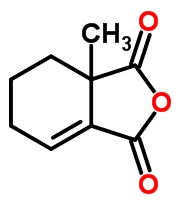
What is the shelf - life of MTHPA?
Leave a message

As a supplier of MTHPA (Methyltetrahydrophthalic Anhydride), I often get asked about its shelf - life. In this blog, I'll share everything I know about it, so you can make informed decisions when it comes to using and storing this important chemical.
What is MTHPA?
MTHPA is a widely used anhydride curing agent in the industry. It's known for its excellent properties such as low viscosity, good reactivity, and high heat resistance. These features make it a popular choice in applications like epoxy resin curing for electrical insulation, composites, and coatings. Compared to other anhydride curing agents like THPA (you can learn more about it THPA), 3 - MHHPA + 4 - MHHPA (3 - MHHPA+4 - MHHPA), and HHPA (HHPA), MTHPA has its own unique advantages in terms of performance and cost - effectiveness.


Factors Affecting the Shelf - Life of MTHPA
- Storage Conditions
- Temperature: Temperature plays a crucial role in determining the shelf - life of MTHPA. Generally, MTHPA should be stored at a cool and dry place. High temperatures can accelerate the chemical reactions within MTHPA, leading to degradation. For example, if MTHPA is stored at temperatures above 30°C for an extended period, it may start to undergo self - polymerization or react with moisture in the air. On the other hand, extremely low temperatures can cause MTHPA to solidify, which may also affect its quality when it's later used. The ideal storage temperature for MTHPA is usually between 5°C and 25°C.
- Humidity: MTHPA is sensitive to moisture. When it comes into contact with water, it can hydrolyze, forming acids. These acids can not only reduce the effectiveness of MTHPA as a curing agent but also cause corrosion in some applications. Therefore, it's essential to store MTHPA in a sealed container in a low - humidity environment. A relative humidity of less than 60% is recommended for long - term storage.
- Packaging
- The quality of the packaging also affects the shelf - life. MTHPA should be stored in airtight containers made of materials that are resistant to the chemical. For example, stainless steel or high - density polyethylene containers are commonly used. These materials prevent air and moisture from entering the container, thus protecting the MTHPA from degradation.
Typical Shelf - Life of MTHPA
Under optimal storage conditions (5°C - 25°C and low humidity), the shelf - life of MTHPA is typically around 12 months. However, this is just a general guideline. If the storage conditions are not ideal, the shelf - life can be significantly reduced. For instance, if MTHPA is stored at a high temperature and high humidity for a few months, it may start to show signs of degradation such as an increase in viscosity or a change in color.
How to Determine if MTHPA has Expired
- Visual Inspection
- One of the simplest ways to check if MTHPA has expired is through visual inspection. Fresh MTHPA is usually a clear, colorless to pale - yellow liquid. If it has turned dark yellow or brown, or if there are any visible particles or precipitates in it, it may be a sign that the MTHPA has degraded.
- Viscosity Test
- Another method is to measure the viscosity of MTHPA. As MTHPA degrades, its viscosity may increase. You can use a viscometer to measure the viscosity of the MTHPA and compare it with the viscosity of fresh MTHPA. If the measured viscosity is significantly higher than the normal range, it could indicate that the MTHPA has expired.
Importance of Monitoring the Shelf - Life
Using expired MTHPA can have serious consequences in applications. In epoxy resin curing, for example, expired MTHPA may not cure the resin properly. This can lead to poor mechanical properties of the cured product, such as reduced strength, hardness, and chemical resistance. In electrical insulation applications, it can also affect the electrical performance of the insulation material, increasing the risk of electrical failures.
Tips for Prolonging the Shelf - Life of MTHPA
- Proper Storage
- As mentioned earlier, store MTHPA in a cool, dry place with the right temperature and humidity. Make sure the containers are tightly sealed to prevent air and moisture from getting in.
- Inventory Management
- Implement a first - in - first - out (FIFO) inventory management system. This ensures that the oldest MTHPA is used first, reducing the risk of using expired products.
- Regular Checks
- Conduct regular visual inspections and viscosity tests on the stored MTHPA. This way, you can detect any signs of degradation early and take appropriate measures.
Conclusion
Understanding the shelf - life of MTHPA is crucial for ensuring the quality and performance of your products. By storing MTHPA properly, monitoring its condition, and following the best practices, you can make the most of this valuable chemical. If you're in the market for high - quality MTHPA, we're here to help. We offer top - notch MTHPA with excellent quality and reasonable prices. If you're interested in purchasing MTHPA or have any questions, feel free to contact us for a procurement discussion.
References
- "Handbook of Epoxy Resins" by Lee and Neville
- Technical data sheets of MTHPA from chemical manufacturers