

What are the quality inspection items for MTHPA in import and export?
Leave a message

As a supplier of MTHPA (Methyltetrahydrophthalic Anhydride), I understand the critical importance of quality inspection in the import and export process. MTHPA is a widely used anhydride curing agent in various industries, such as the electrical and electronics, composites, and coatings sectors. Ensuring the quality of MTHPA is not only crucial for meeting customer requirements but also for maintaining a good reputation in the international market. In this blog, I will discuss the key quality inspection items for MTHPA in import and export.
Physical Properties
Appearance
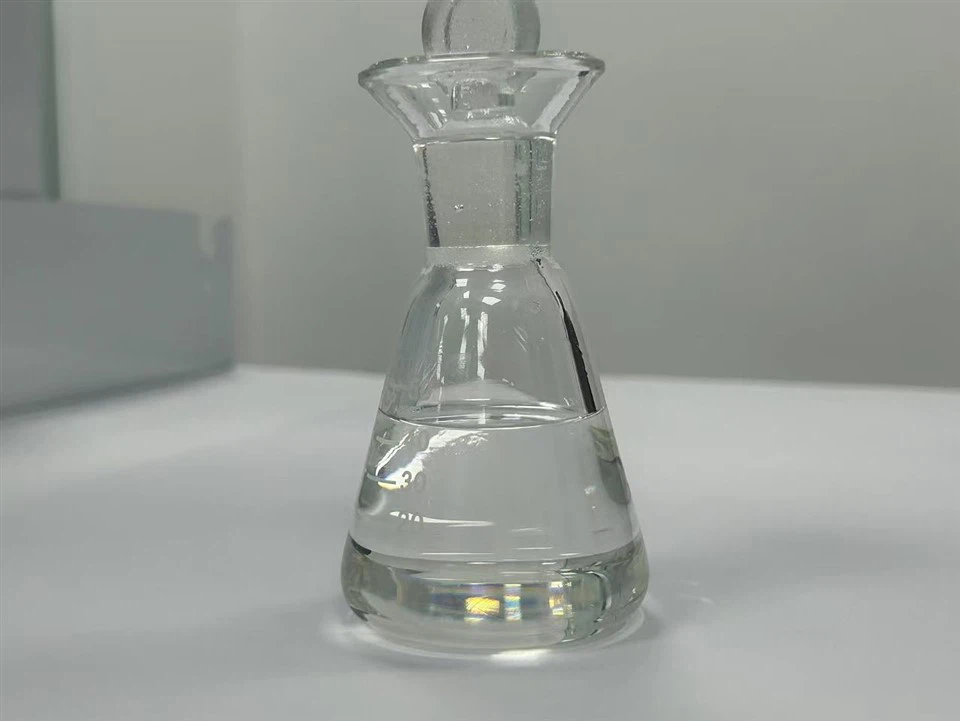
The appearance of MTHPA is one of the most basic quality inspection items. MTHPA is typically a clear, colorless to pale yellow liquid. Any signs of turbidity, precipitation, or abnormal coloration may indicate impurities or degradation. For example, a dark - colored MTHPA might have undergone oxidation during storage or transportation, which can affect its performance as a curing agent.
Density
Density is an important physical property that reflects the composition and purity of MTHPA. The density of MTHPA usually ranges from 1.16 - 1.18 g/cm³ at 25°C. Deviations from this range can suggest the presence of contaminants or incorrect manufacturing processes. A higher density may indicate the presence of heavier impurities, while a lower density could be due to the presence of volatile components.
Viscosity
Viscosity is another significant physical property. It affects the handling and processing of MTHPA. The viscosity of MTHPA is typically measured at a specific temperature, usually 25°C. The appropriate viscosity range ensures that MTHPA can be easily mixed with other components in the curing process. If the viscosity is too high, it may be difficult to disperse MTHPA evenly in the resin system, leading to uneven curing. On the other hand, if the viscosity is too low, it may cause issues such as poor adhesion and flow control.
Chemical Properties
Acid Value
The acid value of MTHPA is a measure of the amount of free acid present in the sample. It is expressed in milligrams of potassium hydroxide (KOH) required to neutralize one gram of MTHPA. A high acid value may indicate hydrolysis or the presence of acidic impurities. For MTHPA, the acid value should be within a specific range, usually less than 10 mg KOH/g. A higher acid value can lead to problems such as corrosion of equipment and reduced curing performance.
Purity
Purity is a crucial factor in determining the quality of MTHPA. High - purity MTHPA ensures better curing performance and fewer side reactions. The purity of MTHPA is often determined by gas chromatography (GC) or high - performance liquid chromatography (HPLC). A purity of over 99% is generally required for most applications. Impurities such as other anhydrides, acids, or by - products can affect the curing kinetics and the final properties of the cured product.
Moisture Content
Moisture content is an important quality parameter. MTHPA is sensitive to moisture, and excessive moisture can cause hydrolysis, leading to a decrease in the anhydride content and an increase in the acid value. The moisture content of MTHPA should be kept as low as possible, typically less than 0.1%. Moisture can be measured using a Karl Fischer titrator.
Performance Properties
Curing Performance
The curing performance of MTHPA is a key aspect of its quality. This includes parameters such as gel time, curing time, and the mechanical properties of the cured product. Gel time is the time it takes for the resin - MTHPA mixture to start gelling, while curing time is the time required for the mixture to reach full curing. These times can be affected by factors such as temperature, the ratio of MTHPA to resin, and the presence of accelerators. The mechanical properties of the cured product, such as hardness, tensile strength, and flexural strength, are also important indicators of the curing performance of MTHPA.
Compatibility
MTHPA needs to be compatible with other components in the resin system, such as epoxy resins, diluents, and accelerators. Compatibility issues can lead to phase separation, poor adhesion, and reduced mechanical properties. Compatibility can be evaluated by observing the appearance of the mixture and conducting tests on the cured product.

Comparison with Related Anhydrides
It is also important to compare MTHPA with other related anhydrides in the market. For example, HHPA, 3 - MHHPA+4 - MHHPA, 4 - MHHPA, and THPA. Each of these anhydrides has its own unique properties and applications. MTHPA offers certain advantages in terms of its curing speed, low volatility, and good chemical resistance compared to some of these related anhydrides. Understanding these differences can help customers make more informed decisions when choosing the appropriate anhydride curing agent.
Quality Control in Import and Export
In the import and export process, strict quality control measures need to be implemented. This includes pre - shipment inspections, where samples are taken and tested for all the above - mentioned quality inspection items. Certificates of analysis (COA) should be provided, which detail the results of the quality tests. These COAs are essential for both the exporter and the importer to ensure that the MTHPA meets the required quality standards.
During transportation, proper packaging and storage conditions also need to be maintained. MTHPA should be stored in a cool, dry place away from direct sunlight and sources of heat. The packaging should be airtight to prevent moisture ingress and oxidation.
Conclusion
In conclusion, quality inspection of MTHPA in import and export is a comprehensive process that involves checking physical, chemical, and performance properties. By ensuring the quality of MTHPA, we can meet the diverse needs of our customers in different industries. If you are interested in purchasing high - quality MTHPA liquid anhydride, please feel free to contact us for more information and to start a procurement negotiation. We are committed to providing you with the best products and services.
References
- "Handbook of Epoxy Resins" by Henry Lee and Kris Neville.
- "Polymer Science and Technology" textbooks.
- Industry standards and guidelines for anhydride curing agents.


