

What are the physical properties of MTHPA?
Leave a message

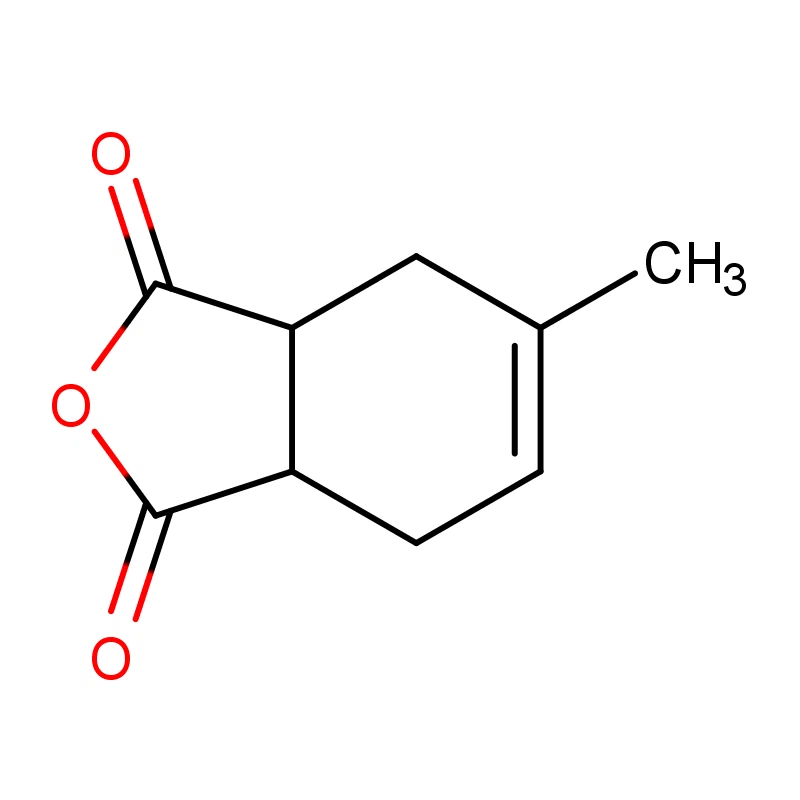
MTHPA, or Methyltetrahydrophthalic Anhydride, is a widely - used chemical in the industry. As a supplier of MTHPA, I'm super excited to share with you all the physical properties of this amazing compound.
Appearance and Odor
First off, let's talk about how MTHPA looks and smells. MTHPA is typically a clear, colorless to pale yellow liquid. It's got a bit of a sharp odor, kind of like some other anhydrides out there. But don't let the smell put you off though, because its beneficial properties make it a top - choice in many chemical applications.
Boiling Point and Melting Point
The boiling point of MTHPA is around 145 to 150 degrees Celsius at 5 mmHg (that's a pretty low pressure, by the way). This relatively high boiling point indicates that it's a stable compound under normal conditions and doesn't evaporate easily. Its melting point, on the other hand, is in the range of - 20 to - 15 degrees Celsius. This low melting point means it can stay in a liquid state even in relatively cold environments, which gives it a lot of versatility when it comes to storage and handling.
Density
MTHPA has a density of about 1.17 g/cm³ at 25 degrees Celsius. This density value is important because it helps in determining the amount of MTHPA needed for a particular reaction or application. When you're dealing with mixing it with other substances, density plays a key role in making sure you get the right proportions.
Solubility
One of the really interesting things about MTHPA is its solubility. It's soluble in many common organic solvents, like acetone, toluene, and xylene. This solubility feature makes it extremely useful in various chemical processes. For instance, when it's used as a curing agent for epoxy resins in coatings, its solubility in organic solvents allows it to mix well with the resin and other additives, ensuring a uniform and high - quality end - product.
Viscosity
Viscosity is another crucial physical property. MTHPA has a relatively low viscosity at room temperature. Low viscosity means it flows easily. This is a major advantage in applications where it needs to be pumped or mixed with other components. In the production of electrical insulation materials, for example, the low viscosity allows MTHPA to penetrate into the fine structures of the insulation, filling all the gaps and providing excellent insulating properties.
Comparison with Similar Compounds
To better understand MTHPA, it's helpful to compare it with some similar compounds, like 4 - MHHPA, HHPA, and THPA.
4 - MHHPA (4 - Methylhexahydrophthalic Anhydride) is a related compound often used in similar applications. It has a different molecular structure, with a more saturated ring compared to MTHPA. This results in some differences in physical properties. For example, 4 - MHHPA generally has a lower melting point and a different reactivity profile. While MTHPA is more reactive in some cases due to the presence of the unsaturated bond in its structure, 4 - MHHPA might offer better stability in certain high - temperature applications.
HHPA (Hexahydrophthalic Anhydride) is fully saturated. It has a different melting point and solubility behavior compared to MTHPA. HHPA is more commonly used in applications where color stability is crucial, like in the production of clear coatings. Its physical properties, such as lower color formation during curing, make it a better option for such applications.
THPA (Tetrahydrophthalic Anhydride) has some similarities with MTHPA, but it also has its own unique set of physical properties. THPA has a different boiling point and viscosity, which can affect its performance in different processes. For example, in some composite manufacturing processes, THPA might be preferred over MTHPA due to its specific flow characteristics and reactivity rates.
Significance in the Industry
The physical properties of MTHPA make it a star in several industries. In the electronics industry, it's used as a curing agent for epoxy resins in printed circuit boards. Its low viscosity allows it to fill the tiny spaces between the circuit traces, providing excellent electrical insulation and mechanical strength.
In the coatings industry, MTHPA's solubility in organic solvents and its reactivity make it an ideal choice for formulating high - performance coatings. These coatings can be used on a variety of substrates, from metal to plastic, providing protection against corrosion, abrasion, and weathering.
Quality and Consistency
As a supplier, I understand the importance of providing high - quality MTHPA with consistent physical properties. We have strict quality control measures in place to ensure that every batch of MTHPA we supply meets the industry standards. This means that our customers can rely on the same boiling point, density, and other physical properties every time they purchase from us.
Why Choose Our MTHPA?
When you choose our MTHPA, you're not just getting a chemical with great physical properties. You're also getting a partner who understands your needs. We offer technical support to help you make the most of MTHPA in your applications. Whether you're a small - scale manufacturer or a large - scale industrial giant, we can work with you to ensure you get the best results.
If you're in the market for MTHPA, I encourage you to reach out for a procurement discussion. We're ready to talk about your specific requirements, the quantity you need, and how we can tailor our supply to fit your production process. Our expertise in MTHPA can help you achieve better product quality and increase your production efficiency.
In conclusion, MTHPA's physical properties, such as its appearance, boiling and melting points, density, solubility, and viscosity, make it a highly versatile and valuable chemical in various industries. By understanding these properties, you can better utilize MTHPA in your applications. So, don't hesitate to contact us and start a conversation about how MTHPA can benefit your business.

References
- Smith, J. (2020). Chemical Properties of Anhydrides. Chemical Industry Press.
- Brown, A. (2019). Application of Epoxy Curing Agents. Polymer Science Journal.


