

What are the factors affecting the curing process of MTHPA and epoxy resins?
Leave a message

As a supplier of MTHPA (Methyl Tetrahydrophthalic Anhydride), I've witnessed firsthand the importance of understanding the factors that influence the curing process of MTHPA and epoxy resins. The curing process is a critical step in the production of various epoxy - based products, and getting it right can significantly impact the final properties of the materials. In this blog, I'll delve into the key factors that affect this curing process.
Chemical Structure of MTHPA and Epoxy Resins
The chemical structure of MTHPA and epoxy resins plays a fundamental role in the curing process. MTHPA is an anhydride curing agent with a specific molecular structure that contains reactive anhydride groups. These groups react with the epoxy groups in the epoxy resin to form cross - linked networks.
Epoxy resins, on the other hand, have a backbone structure with epoxy groups at the ends or along the chain. Different types of epoxy resins have different molecular weights, branching structures, and epoxy equivalent weights. For example, bisphenol A - based epoxy resins are widely used, but there are also other types such as bisphenol F - based and novolac - based epoxy resins. The reactivity of the epoxy groups and the overall structure of the resin can affect how quickly and effectively the curing reaction with MTHPA occurs.
Stoichiometry
The ratio of MTHPA to epoxy resin, known as the stoichiometry, is a crucial factor. The reaction between MTHPA and epoxy resin is a chemical reaction that follows a specific molar ratio. If the ratio is not correct, the curing process may not proceed to completion, or the properties of the cured product may be compromised.
A stoichiometric imbalance can lead to under - curing or over - curing. In under - curing, there are unreacted epoxy or anhydride groups, which can result in a cured product with poor mechanical properties, low chemical resistance, and a shorter service life. Over - curing, on the other hand, can cause excessive cross - linking, making the material brittle and reducing its flexibility.
Temperature
Temperature has a profound influence on the curing process of MTHPA and epoxy resins. The reaction between MTHPA and epoxy resin is exothermic, meaning it releases heat. However, an initial increase in temperature is often required to initiate the reaction.
At lower temperatures, the reaction rate is slow. The mobility of the molecules is limited, and the reaction between the anhydride groups of MTHPA and the epoxy groups of the resin occurs at a reduced pace. This can lead to a longer curing time and may result in an incomplete cure.
As the temperature increases, the reaction rate accelerates. The molecules have more energy, and the probability of collisions between the reactive groups increases. However, if the temperature is too high, it can cause side reactions, such as thermal degradation of the resin or the formation of bubbles in the cured material. Optimal temperature ranges for the curing of MTHPA and epoxy resins typically depend on the specific formulation and can range from 80°C to 150°C.
Catalysts
Catalysts are often used to speed up the curing process of MTHPA and epoxy resins. They work by lowering the activation energy required for the reaction between the anhydride and epoxy groups.
There are different types of catalysts available, such as tertiary amines and imidazoles. Tertiary amines can react with the anhydride groups to form an intermediate that is more reactive towards the epoxy groups. Imidazoles, on the other hand, can act as both a catalyst and a curing agent in some cases.
The choice of catalyst and its concentration can significantly affect the curing rate and the final properties of the cured product. A higher concentration of catalyst generally leads to a faster curing rate, but it can also cause the reaction to proceed too quickly, resulting in poor flowability and possible inhomogeneity in the cured material.
Humidity
Humidity can have an impact on the curing process, especially when using MTHPA. Anhydrides like MTHPA are sensitive to moisture. When exposed to high humidity, the anhydride groups can react with water to form carboxylic acids.
These carboxylic acids can then react with the epoxy groups in a different way than the original anhydride - epoxy reaction. This can lead to a change in the curing mechanism, a slower curing rate, and a reduction in the cross - linking density of the cured product. Therefore, it is important to control the humidity during the storage and curing process of MTHPA and epoxy resins.
Mixing and Dispersion
Proper mixing and dispersion of MTHPA and epoxy resin are essential for a successful curing process. If the two components are not mixed evenly, there will be areas in the mixture where the stoichiometry is incorrect.
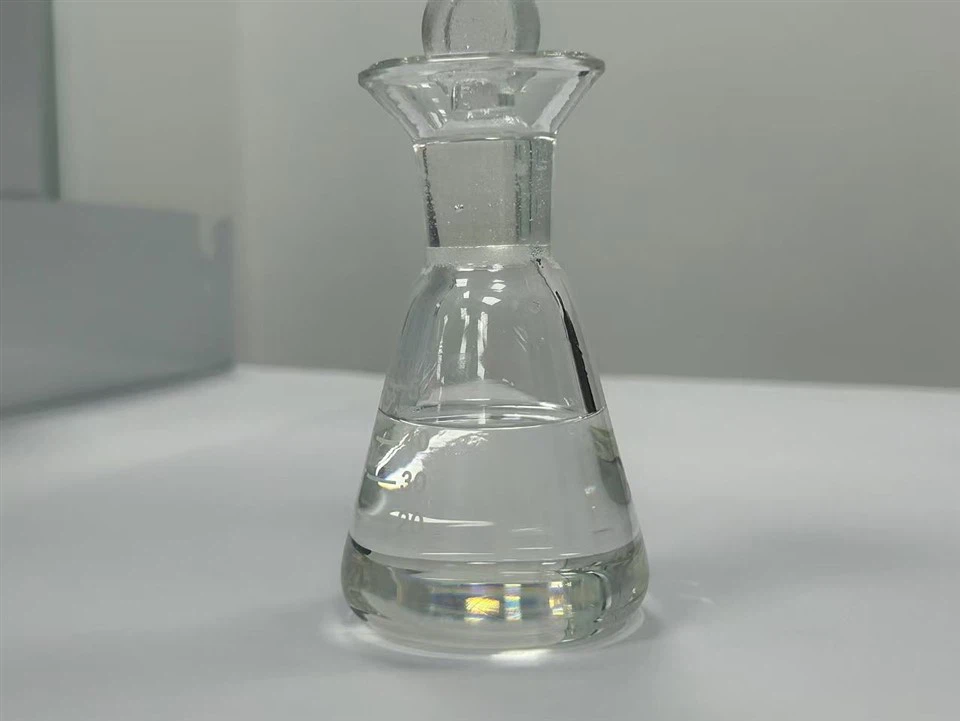

This can result in local under - curing or over - curing. In addition, poor dispersion can lead to the formation of agglomerates or inhomogeneous regions in the cured material, which can affect its mechanical and physical properties. Using appropriate mixing equipment, such as high - speed mixers or static mixers, can help ensure a uniform distribution of MTHPA and epoxy resin.
Types of MTHPA and Related Anhydrides
There are different types of MTHPA and related anhydrides that can be used in the curing of epoxy resins. For example, 4 - MHHPA, THPA, 3 - MHHPA+4 - MHHPA, MTHPA liquid anhydride, and HHPA each have their own characteristics.
These different anhydrides have different reactivities, melting points, and viscosities. For instance, MTHPA liquid anhydride is known for its good solubility in epoxy resins and relatively low viscosity, which makes it easy to handle and mix. The choice of anhydride can affect the curing rate, the final properties of the cured product, and the processing conditions.
Conclusion
In conclusion, the curing process of MTHPA and epoxy resins is influenced by a variety of factors, including the chemical structure of the components, stoichiometry, temperature, catalysts, humidity, mixing, and the type of anhydride used. Understanding these factors is crucial for achieving a high - quality cured product with the desired properties.
If you are involved in the production of epoxy - based products and are looking for a reliable MTHPA supplier, I encourage you to reach out to discuss your specific requirements. We can provide you with high - quality MTHPA and offer technical support to help you optimize the curing process.
References
- Lee, H., & Neville, K. (1967). Handbook of Epoxy Resins. McGraw - Hill.
- May, C. A. (Ed.). (1988). Epoxy Resins: Chemistry and Technology. Marcel Dekker.
- Shen, M. C., & Gillham, J. K. (1976). Kinetics and mechanism of the cure of epoxy resins by cyclic acid anhydrides. Journal of Applied Polymer Science, 20(11), 3131 - 3151.


