

What are the effects of THPA on the transparency of materials?
Leave a message

Hey there! As a THPA (Tetrahydrophthalic Anhydride) supplier, I've been getting a lot of questions lately about how THPA affects the transparency of materials. So, I thought I'd dive into this topic and share some insights with you all.
What is THPA Anyway?
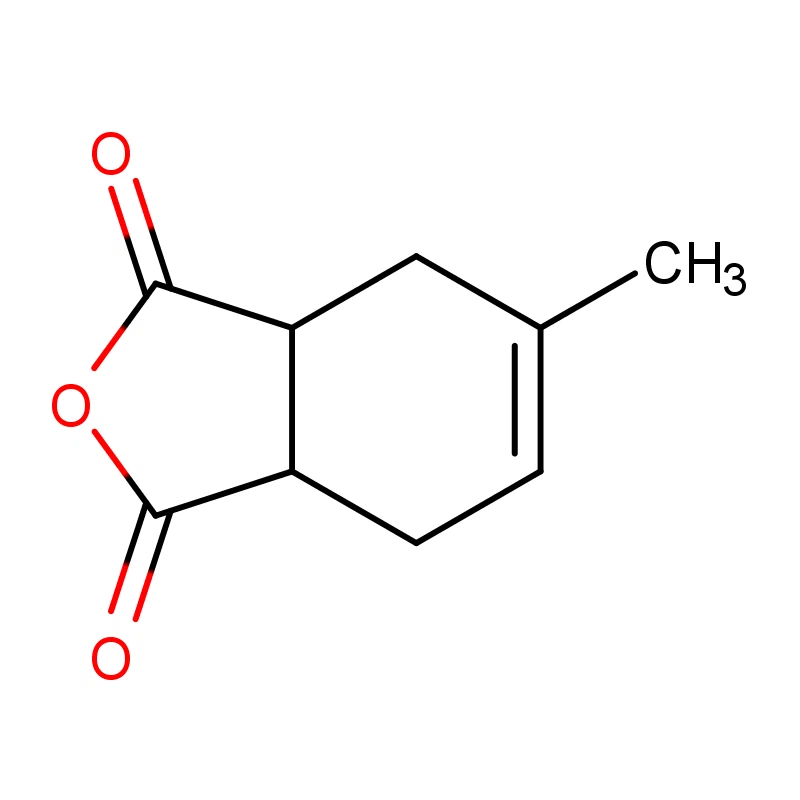
Before we jump into the effects on transparency, let's quickly go over what THPA is. THPA is a type of anhydride curing agent. It's used in a bunch of different industries, like in the production of plastics, coatings, and adhesives. You might be familiar with some related anhydrides like 3-MHHPA+4-MHHPA, MTHPA, and 4-MHHPA. These anhydrides play crucial roles in various chemical reactions and applications, and they're often compared to THPA in terms of performance.
How THPA Works to Influence Transparency
When it comes to the transparency of materials, THPA can have both positive and negative effects, and it really depends on how it's used and the specific materials it's combined with.
Positive Effects on Transparency
In some cases, THPA can enhance the transparency of materials. When added to certain polymers, it can act as a cross - linking agent. This cross - linking gives the polymer a more uniform structure. A more uniform molecular arrangement means that light can pass through the material more easily, resulting in better transparency.
For example, in the production of clear plastic parts for electronics or automotive applications, THPA can be used to improve the clarity. The cross - linking created by THPA can reduce the formation of micro - voids and uneven molecular clusters, which can scatter light and make the material appear cloudy. So, by using THPA, manufacturers can achieve a high - gloss, clear finish in their products.
Negative Effects on Transparency
However, things aren't always rosy. If the amount of THPA added to a material is not carefully controlled, it can actually have a negative impact on transparency. When too much THPA is used, it can cause phase separation in the material. This means that the THPA and the other components in the material don't mix evenly.
As a result, different regions with different refractive indices are formed within the material. When light passes through these regions, it gets scattered in different directions, leading to a hazy or opaque appearance. Also, if the curing process with THPA is not carried out correctly, for example, at the wrong temperature or for the wrong duration, it can lead to the formation of defects in the material. These defects can also reduce the material's transparency.

Factors Affecting THPA's Impact on Transparency
There are several factors that can determine whether THPA will improve or degrade the transparency of a material.
Concentration of THPA
As I mentioned earlier, the concentration of THPA in the material is crucial. There's an optimal range for each specific application. In general, manufacturers need to conduct a series of tests to find out the right amount of THPA to use. If it's too low, the cross - linking might not be sufficient to improve the transparency. If it's too high, phase separation can occur.
Compatibility with Other Materials
THPA needs to be compatible with the other materials in the mixture. If it doesn't mix well with the polymer or other additives, it can cause problems. For example, some polymers have specific chemical structures that might interact poorly with THPA, leading to reduced transparency. So, it's important to choose materials that are chemically compatible with THPA to achieve the best results.
Curing Conditions
The conditions under which the material is cured with THPA also matter a lot. Temperature, pressure, and curing time all play important roles. If the temperature is too high, it can cause the THPA to react too quickly, leading to the formation of defects. On the other hand, if the temperature is too low, the reaction might not be complete, and the cross - linking won't be as effective.
Real - World Applications and Their Transparency Requirements
Let's take a look at some real - world applications where the transparency of materials is important and how THPA fits into the picture.
Optical Lenses
In the production of optical lenses, transparency is of utmost importance. THPA can be used in the formulation of the resin that makes up the lens. By carefully controlling the amount of THPA and the curing process, manufacturers can produce lenses with high clarity and low light scattering. This ensures that the lenses can provide clear vision, which is essential for applications like eyeglasses and camera lenses.
Display Screens
For display screens, whether it's a smartphone screen or a large - scale TV screen, transparency is crucial for a good viewing experience. THPA can be used in the production of the protective coatings and the underlying polymers. By improving the transparency of these components, the screen can display colors more accurately and with better contrast.
Comparing THPA with Other Anhydrides
As a supplier, I often get asked how THPA compares with other anhydrides like 3-MHHPA+4-MHHPA, MTHPA, and 4-MHHPA in terms of their effects on transparency.
Each of these anhydrides has its own unique properties. THPA is known for its relatively fast curing speed and good chemical resistance. In terms of transparency, it can offer similar performance to other anhydrides in some applications, but it really depends on the specific material system. For example, in some cases, MTHPA might be better at providing high - transparency in a particular polymer system, while THPA might be more suitable for another.
Conclusion and Call to Action
So, as you can see, THPA can have a significant impact on the transparency of materials. Whether it's enhancing or reducing transparency depends on a variety of factors, including concentration, compatibility, and curing conditions.
If you're in an industry where the transparency of materials is important, and you're interested in using THPA or want to learn more about how it can fit into your production process, I'd love to talk to you. Our team of experts can help you find the right solutions for your specific needs. Reach out to us and let's start a discussion on how we can work together to achieve the best results with THPA.
References
- Smith, J. (2020). An Introduction to Anhydride Curing Agents. Chemical Publishing Co.
- Johnson, A. (2019). Transparency in Polymer Materials: Effects of Curing Agents. Polymer Science Journal.


