

What are the effects of impurities on the performance of MTHPA?
Leave a message

Hey there! As a supplier of MTHPA (MTHPA), I've seen firsthand how impurities can have a real impact on the performance of this important chemical. So, let's dive into what these effects are and why they matter.
First off, let's quickly go over what MTHPA is. MTHPA, or Methyl Tetrahydrophthalic Anhydride, is a widely used curing agent in the production of epoxy resins. It's known for its good heat resistance, electrical insulation properties, and mechanical strength, which make it a popular choice in industries like electronics, coatings, and composites.
Now, when it comes to impurities in MTHPA, they can come from a variety of sources. During the manufacturing process, there might be leftover raw materials, by - products from chemical reactions, or contaminants introduced from the equipment or the environment. These impurities can be in the form of other chemicals, solids, or even moisture.
One of the most significant effects of impurities on MTHPA performance is in the curing process. Epoxy resins cured with MTHPA are supposed to form a strong, cross - linked network. However, impurities can interfere with this cross - linking reaction. For example, some impurities might react with the MTHPA or the epoxy resin itself before the intended curing reaction takes place. This can lead to an incomplete cure, where the resin doesn't reach its full strength and durability. The cured product might be softer than expected, have a lower glass transition temperature (Tg), and be more prone to deformation under stress.
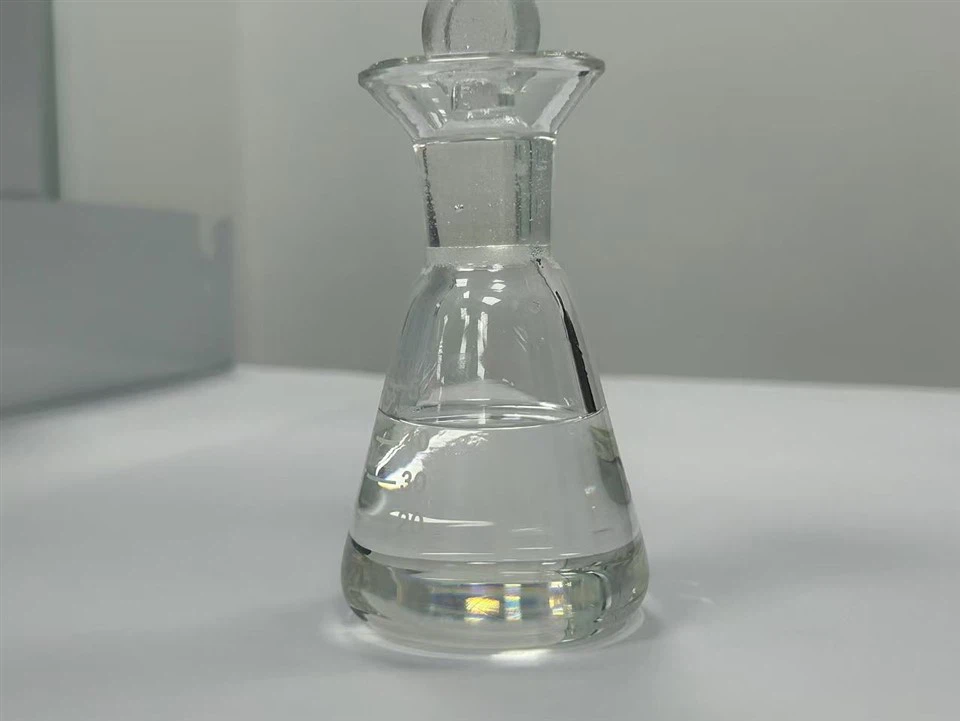

Let's talk about color and appearance. Pure MTHPA usually has a clear, light - colored appearance. But when there are impurities, the color of the MTHPA can change. It might turn yellowish or even darker. This is a big deal, especially in applications where the appearance of the final product matters, like in clear coatings or transparent composites. A discolored MTHPA can result in a final product that looks unappealing, which is a no - go for many customers.
Another aspect is the storage stability of MTHPA. Impurities can reduce the shelf life of MTHPA. Some impurities might act as catalysts for unwanted chemical reactions over time. For instance, moisture can cause hydrolysis of the anhydride group in MTHPA, which can lead to the formation of acids. These acids can then further react with other components in the system, degrading the quality of the MTHPA and making it less effective as a curing agent.
In terms of electrical properties, MTHPA is often used in the electronics industry because of its good insulation properties. But impurities can mess with these electrical characteristics. Conductive impurities can increase the electrical conductivity of the cured epoxy resin, which is a huge problem in applications where high - quality insulation is required. This can lead to electrical leakage, short - circuits, and overall reduced performance of electronic devices.
Mechanical properties are also affected. As I mentioned earlier, an incomplete cure due to impurities can result in a weaker material. The cured epoxy resin might have lower tensile strength, flexural strength, and impact resistance. This is a major concern in industries like aerospace and automotive, where the mechanical integrity of components is crucial for safety and performance.
Now, let's compare MTHPA with some related chemicals like HHPA (HHPA) and 3 - MHHPA+4 - MHHPA (3 - MHHPA+4 - MHHPA). HHPA has different chemical properties and is often used in applications where even higher heat resistance is needed. While it also can be affected by impurities, the type and degree of impact might be different. 3 - MHHPA+4 - MHHPA is a mixture that offers a balance of properties, and impurities in this mixture can also disrupt its performance in a similar way to MTHPA, but again, with some nuances due to the different chemical composition.
As a supplier, we take great care to minimize impurities in our MTHPA. We have strict quality control measures in place during the manufacturing process. We use high - purity raw materials, advanced purification techniques, and state - of - the - art equipment to ensure that our MTHPA meets the highest standards. But even with these measures, it's important for customers to understand the potential effects of impurities so they can make informed decisions.
If you're in the market for high - quality MTHPA, you need to consider the purity of the product. A purer MTHPA will give you better performance, longer storage stability, and a more reliable end - product. And that's where we come in. We're committed to providing you with the best MTHPA on the market.
If you're interested in learning more about our MTHPA products or have any questions about how impurities might affect your specific application, don't hesitate to reach out. We're here to help you make the right choice for your business. Whether you're a small - scale manufacturer or a large - scale industrial player, we can work with you to meet your MTHPA needs.
In conclusion, impurities in MTHPA can have a wide range of negative effects on its performance, from curing issues to changes in color, electrical properties, and mechanical strength. But by choosing a reliable supplier like us, you can minimize these risks and ensure that you get the best results from your MTHPA applications. So, if you're looking for top - notch MTHPA, contact us for a detailed discussion about your requirements. We're eager to start a conversation with you and help you find the perfect solution.
References
- Handbook of Epoxy Resins, Lee and Neville
- Various industry reports on anhydride curing agents


