

What are the disadvantages of using HHPA in coatings?
Leave a message

Hey there! As a supplier of HHPA (Hexahydrophthalic Anhydride), I've been in the coatings industry for quite a while. While HHPA has its perks in coatings, it's also important to talk about the not - so - great parts. So, let's dive into the disadvantages of using HHPA in coatings.
1. Health and Safety Concerns
First off, one of the major drawbacks of HHPA is its potential impact on health. HHPA is a reactive chemical, and when it comes into contact with the skin, eyes, or is inhaled, it can cause some serious issues. Skin contact with HHPA may lead to irritation, redness, and in severe cases, chemical burns. It's like a little chemical monster that can mess up your skin's natural balance.
If it gets into your eyes, it can cause intense pain, irritation, and even damage to the cornea. Inhalation of HHPA dust or vapors is also a big no - no. It can irritate the respiratory tract, leading to coughing, shortness of breath, and in long - term exposure, it might even contribute to more serious respiratory problems.
This means that when working with coatings containing HHPA, workers need to take extra precautions. They have to wear proper personal protective equipment (PPE) like gloves, goggles, and respirators. And let's be real, wearing all that gear can be a hassle, and it also adds to the overall cost of the project. You've got to factor in the cost of buying the PPE and training the workers on how to use it correctly.
2. Environmental Impact
Another downside is the environmental impact of HHPA. When coatings with HHPA are applied, there's a risk of it being released into the environment. HHPA can be harmful to aquatic life. If it makes its way into water bodies, it can have a negative effect on fish, plants, and other organisms. It might disrupt the ecological balance in these water systems, which is a big deal.
Moreover, the production process of HHPA itself can be energy - intensive and may generate waste products. These waste products need to be properly managed to prevent pollution. And let's face it, proper waste management isn't always easy or cheap. It requires specialized equipment and expertise, which again adds to the cost for manufacturers.
3. Compatibility Issues
HHPA doesn't always play nice with other components in coatings. In some cases, it may have compatibility issues with certain resins or additives. This can lead to problems like poor adhesion, uneven coating, or even phase separation.
For example, if you're trying to mix HHPA with a particular type of resin, you might find that they don't blend well together. This can result in a coating that doesn't stick properly to the surface, which is a major problem. You want your coating to stay put and provide long - lasting protection, but if there are compatibility issues, that's not going to happen.

These compatibility problems can also make the formulation process more complicated. Manufacturers have to spend more time and money on research and development to find the right combination of ingredients that work well with HHPA. It's like trying to solve a really tricky puzzle, and sometimes, you just can't find the right pieces to fit together.
4. Limited Temperature Resistance
Coatings with HHPA may have limited temperature resistance. In high - temperature environments, the performance of HHPA - based coatings can degrade. The coating may start to crack, peel, or lose its protective properties.
This is a big problem in industries where coatings are exposed to high temperatures, like the automotive or aerospace industries. For example, in an engine compartment, where temperatures can get really high, a coating that can't withstand the heat is pretty much useless. You need a coating that can hold up under extreme conditions, and HHPA - based coatings may not always be up to the task.
5. Cost
Let's talk about cost. HHPA can be relatively expensive compared to some other alternatives in the market. The raw materials used to produce HHPA, as well as the manufacturing process, contribute to its high cost.
This higher cost gets passed on to the end - user. If you're a contractor or a manufacturer using coatings with HHPA, you're going to have to pay more for the product. And in a competitive market, cost is a major factor. Customers are always looking for the best value for their money, and if there are cheaper alternatives that can offer similar performance, they're likely to go for those.
Alternatives to HHPA
Now, I know this all sounds pretty negative, but there are alternatives out there. For example, THPA (Tetrahydrophthalic Anhydride) is one option. It has some similar properties to HHPA but may have fewer of the disadvantages we've talked about.
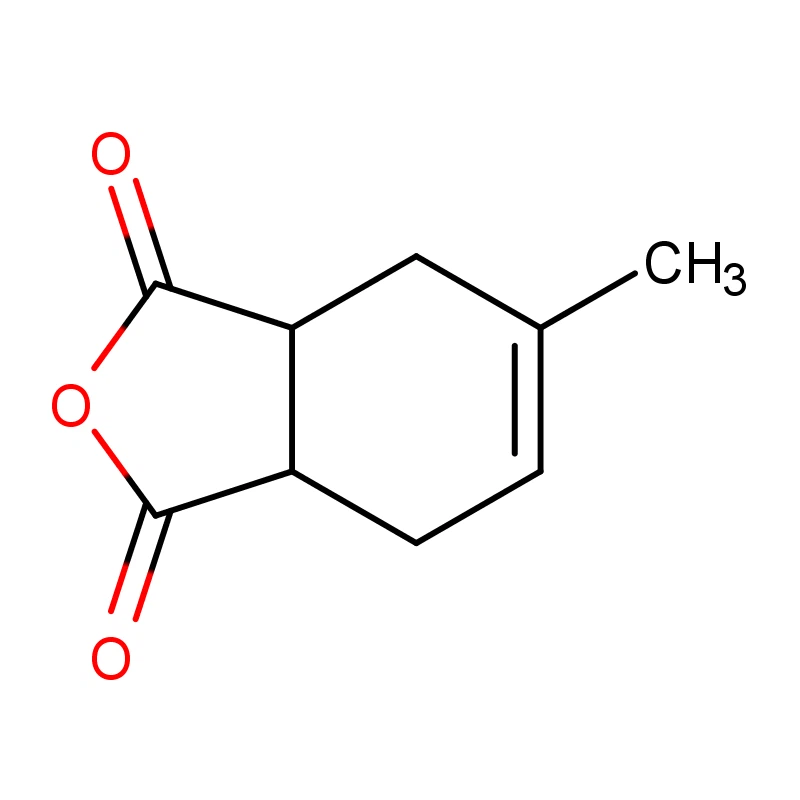
Another alternative is a blend of 3 - MHHPA+4 - MHHPA. These isomers can offer different performance characteristics and may be more suitable for certain applications. And 4 - MHHPA is also a viable option in some cases.
However, it's important to note that each alternative has its own set of pros and cons, and the choice depends on the specific requirements of the coating application.
Conclusion
So, there you have it, the disadvantages of using HHPA in coatings. Health and safety concerns, environmental impact, compatibility issues, limited temperature resistance, and cost are all factors that need to be considered.
But hey, just because there are disadvantages doesn't mean HHPA doesn't have its place in the coatings industry. It still offers some unique properties that make it useful in certain applications.
If you're in the market for coatings and want to learn more about HHPA or explore other options, I'd love to have a chat with you. We can discuss your specific needs and see if HHPA or one of its alternatives is the right fit for your project. Reach out to me, and let's start a conversation about finding the best coating solution for you.
References
- "Coating Technology Handbook", various authors
- Industry reports on chemical safety and environmental impact of anhydrides in coatings


