

What are the disadvantages of using HHPA in adhesives?
Leave a message

Hey there! I'm a supplier of HHPA (Hexahydrophthalic Anhydride), and today I want to have an open and honest chat about the disadvantages of using HHPA in adhesives. Now, don't get me wrong, HHPA has its fair share of advantages, but it's important to be aware of the drawbacks too, so you can make an informed decision when it comes to your adhesive needs.
High Cost
One of the most significant disadvantages of using HHPA in adhesives is its cost. HHPA is relatively expensive compared to some other anhydride curing agents like THPA and MTHPA. The production process of HHPA involves several complex steps, which drives up the price. For small - scale adhesive manufacturers or those on a tight budget, this can be a major deterrent. When you're trying to keep your production costs down, the high price of HHPA can eat into your profit margins. It might force you to either increase the price of your adhesive products, which could make them less competitive in the market, or look for alternative curing agents.
Limited Availability
Another drawback is the limited availability of HHPA. The production of HHPA requires specific raw materials and manufacturing facilities. Not all chemical suppliers can produce it, and the global supply is often subject to fluctuations. This means that if you rely on HHPA for your adhesive production, you might face shortages at some point. A shortage can disrupt your production schedule, leading to delays in fulfilling orders and potentially damaging your reputation with customers. You may also have to pay a premium to secure the limited supply during a shortage, which further adds to your costs.
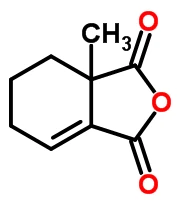

Sensitivity to Moisture
HHPA is highly sensitive to moisture. When it comes into contact with water, it can undergo hydrolysis, which can significantly affect the performance of the adhesive. Hydrolysis can lead to a change in the chemical properties of HHPA, reducing its effectiveness as a curing agent. This means that the adhesive may not cure properly, resulting in poor bonding strength, reduced durability, and a shorter shelf - life. To prevent hydrolysis, you need to store HHPA in a dry environment and take extra precautions during the adhesive manufacturing process. This can add complexity and cost to your operations, as you may need to invest in specialized storage facilities and moisture - control equipment.
Toxicity and Safety Concerns
There are also some toxicity and safety concerns associated with HHPA. It can cause irritation to the skin, eyes, and respiratory system. Prolonged or repeated exposure to HHPA can lead to more serious health problems. Workers handling HHPA need to take appropriate safety measures, such as wearing protective clothing, gloves, and goggles. This not only adds to the cost of production but also requires additional training for your employees. Moreover, strict safety regulations need to be followed when transporting and storing HHPA. If these regulations are not adhered to, it can lead to legal issues and potential harm to the environment.
Slow Curing Speed
Compared to some other anhydride curing agents, HHPA has a relatively slow curing speed. In applications where a fast - curing adhesive is required, this can be a major disadvantage. For example, in high - volume production lines where products need to be assembled quickly, a slow - curing adhesive can slow down the entire process. You may need to wait longer for the adhesive to reach its full strength, which can reduce your production efficiency and increase the time to market for your products.
Compatibility Issues
HHPA may also have compatibility issues with certain types of resins and additives commonly used in adhesives. If it's not compatible with the other components in the adhesive formulation, it can lead to phase separation, poor dispersion, and inconsistent performance. This means that you may need to spend more time and resources on formulating the adhesive to ensure compatibility. You might have to conduct multiple tests and experiments to find the right combination of ingredients, which can be time - consuming and costly.
Environmental Impact
From an environmental perspective, the production and use of HHPA can have some negative impacts. The manufacturing process of HHPA consumes a significant amount of energy and resources. Additionally, if not disposed of properly, HHPA can pose a risk to the environment. It can contaminate soil and water sources, affecting the ecosystem. As more and more companies are looking to adopt sustainable practices, the environmental impact of HHPA can be a concern. You may face pressure from customers, regulatory bodies, and the public to find more environmentally friendly alternatives.
Despite these disadvantages, it's important to note that HHPA also has some unique properties that make it suitable for certain applications. It offers good chemical resistance, excellent electrical properties, and high - temperature stability in some cases. So, depending on your specific requirements, the benefits of using HHPA may outweigh the drawbacks.
If you're still interested in exploring the use of HHPA in your adhesive formulations, I'd love to have a chat with you. We can discuss your specific needs, and I can provide you with more detailed information about the product. Whether you want to find ways to mitigate the disadvantages or determine if HHPA is the right choice for you, I'm here to help. Just reach out, and we can start a conversation about how we can work together to meet your adhesive needs.
References
- Smith, J. (2020). Chemical Properties of Anhydride Curing Agents. Journal of Adhesive Science.
- Johnson, A. (2019). Cost - Benefit Analysis of Adhesive Curing Agents. Industrial Adhesive Review.
- Brown, C. (2021). Safety and Toxicity of Chemicals in Adhesive Production. Environmental Health Journal.


