

What are the best practices for maintaining high - voltage switchgear insulation?
Leave a message

Hey there! As a supplier of High - Voltage Switchgear Insulation, I've seen firsthand the importance of keeping this equipment in top - notch condition. High - voltage switchgear insulation is crucial for the safe and efficient operation of electrical systems. It prevents electrical breakdowns, protects equipment from damage, and ensures the safety of personnel. So, let's dive into the best practices for maintaining it.
Regular Inspections
One of the most basic yet effective practices is regular inspections. You can't just set it and forget it. Visual inspections should be carried out at least once a year, or more frequently in harsh environments. Look for any signs of physical damage, such as cracks, chips, or discoloration on the insulation materials. These could be early warning signs of potential problems.

For a more in - depth assessment, you can use non - destructive testing methods. Partial discharge testing is a great option. It can detect small electrical discharges within the insulation, which are often the precursors to major breakdowns. By catching these issues early, you can prevent costly repairs and downtime.
Environmental Control
The environment where the high - voltage switchgear is located plays a huge role in the lifespan of its insulation. Extreme temperatures, humidity, and pollution can all take a toll on the insulation materials.
Ideally, the switchgear should be installed in a climate - controlled environment. Keep the temperature within the recommended range specified by the manufacturer. High temperatures can accelerate the aging process of the insulation, while low temperatures can make it brittle.
Humidity is another factor to watch out for. High humidity can lead to the formation of moisture on the insulation surface, which can cause electrical leakage and corrosion. Install dehumidifiers if necessary to maintain a low humidity level.
Pollution can also be a problem, especially in industrial areas. Dust, dirt, and chemical contaminants can accumulate on the insulation, reducing its effectiveness. Regular cleaning of the switchgear can help prevent this. Use a soft brush or compressed air to remove any debris.
Proper Installation
You know what they say, "Well begun is half done." Proper installation of high - voltage switchgear insulation is key to its long - term performance. Make sure to follow the manufacturer's installation guidelines to the letter.
Use the right tools and techniques during installation. Improper handling can cause damage to the insulation materials. For example, if you're using epoxy - based insulation, ensure that it's mixed and applied correctly. Any air bubbles or uneven application can weaken the insulation.
Also, pay attention to the mounting and grounding of the switchgear. A good grounding system helps to protect the insulation from electrical surges and lightning strikes.
Use of Quality Materials
As a supplier, I can't stress enough the importance of using high - quality insulation materials. Inferior materials may be cheaper upfront, but they'll end up costing you more in the long run due to frequent replacements and repairs.
We offer a range of top - notch insulation materials that are designed to withstand the rigors of high - voltage applications. For example, our Low Toxic and Environmentally Friendly Curing Agents are not only good for the environment but also provide excellent insulation properties. They help to ensure a strong and durable bond in the insulation system.
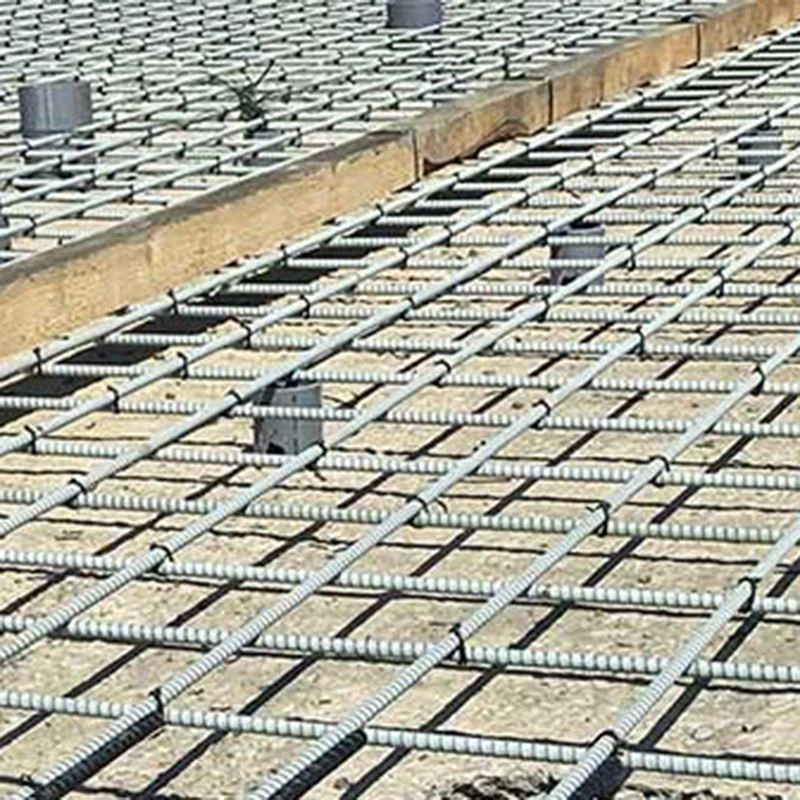
Another great product is our Glass Fiber Rebar. It's lightweight, corrosion - resistant, and has high mechanical strength, making it an ideal reinforcement material for high - voltage switchgear insulation.
Our Functional Bonding and Sealing Materials are also essential for maintaining the integrity of the insulation. They can prevent the ingress of moisture and contaminants, further protecting the insulation from damage.
Training and Maintenance Staff
Your maintenance staff plays a crucial role in the upkeep of high - voltage switchgear insulation. They need to be well - trained in the proper inspection, maintenance, and repair procedures.
Provide regular training sessions to keep them updated on the latest industry standards and best practices. Make sure they understand the importance of safety protocols when working with high - voltage equipment.
Encourage them to report any issues they notice during inspections immediately. A quick response can prevent a small problem from turning into a major disaster.
Record - Keeping
Keeping detailed records of all inspections, maintenance activities, and repairs is essential. This helps you to track the performance of the high - voltage switchgear insulation over time.
You can use these records to identify trends and patterns. For example, if you notice that a particular type of insulation material is failing more frequently in a certain location, you can take steps to address the issue.
Records also come in handy when it's time for warranty claims or when you need to prove compliance with regulatory requirements.
Testing and Monitoring
In addition to regular inspections, continuous testing and monitoring of the high - voltage switchgear insulation are important. There are various monitoring systems available that can provide real - time data on the condition of the insulation.
For example, online monitoring systems can measure parameters such as temperature, humidity, and partial discharge levels. This allows you to detect any changes in the insulation's performance early and take corrective action.
Periodic testing, such as dielectric strength testing, can also be carried out to ensure that the insulation is still meeting the required standards.
Replacement of Aging Insulation
No matter how well you maintain it, high - voltage switchgear insulation will eventually age and deteriorate. It's important to have a plan in place for replacing the aging insulation.
Keep track of the expected lifespan of the insulation materials based on the manufacturer's recommendations. When the insulation reaches the end of its useful life, replace it promptly. Delaying replacement can increase the risk of electrical failures and safety hazards.
Collaboration with Suppliers
As a supplier, we're here to support you every step of the way. We can provide you with technical advice, product training, and after - sales support.
If you have any questions about the installation, maintenance, or performance of our high - voltage switchgear insulation products, don't hesitate to reach out to us. We can also help you select the right materials for your specific application.
In conclusion, maintaining high - voltage switchgear insulation requires a combination of regular inspections, environmental control, proper installation, use of quality materials, well - trained staff, record - keeping, testing, and timely replacement. By following these best practices, you can ensure the safe and reliable operation of your electrical systems.
If you're interested in purchasing high - quality High - Voltage Switchgear Insulation products or have any questions about our offerings, feel free to contact us for a procurement discussion. We're eager to work with you to meet your insulation needs.
References
- Electrical Insulation Handbook, McGraw - Hill
- High - Voltage Engineering: Fundamentals, Springer
- IEEE Standards for High - Voltage Switchgear Insulation Testing


