

How does HHPA improve the performance of adhesives?
Leave a message

Hey there! As a supplier of HHPA (Hexahydrophthalic Anhydride), I'm super stoked to share with you how this amazing compound can significantly improve the performance of adhesives.
First off, let's talk a bit about adhesives. They're everywhere in our lives, from the shoes we wear to the electronics we can't live without. But not all adhesives are created equal. The performance of an adhesive depends on a bunch of factors like its bonding strength, durability, and resistance to different environmental conditions. That's where HHPA comes in.
Chemical Structure and Reactivity
HHPA has a unique chemical structure. It's a cyclic anhydride, and this structure gives it some really cool reactivity. When it comes to adhesives, HHPA acts as a curing agent. In simple terms, it helps the adhesive go from a liquid or semi - liquid state to a solid, strong - bonded state.
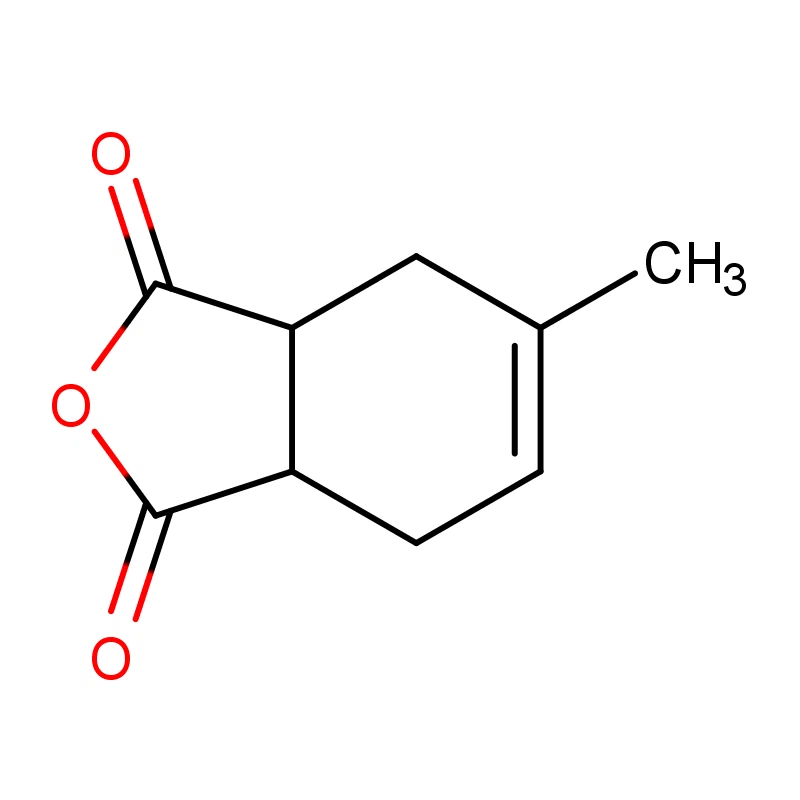

The curing process is crucial for the performance of an adhesive. When HHPA reacts with the resin in the adhesive, it forms cross - links. These cross - links are like the building blocks that hold the adhesive together. The more cross - links there are, the stronger and more durable the adhesive becomes.
Compared to some other curing agents like MTHPA (Methyltetrahydrophthalic Anhydride), HHPA has a more stable chemical structure. This stability means that it can provide a more consistent curing process. With MTHPA, sometimes the curing can be a bit too fast, leading to uneven cross - linking and potentially weaker bonds. But HHPA cures at a more controlled rate, ensuring a more uniform and reliable adhesive performance.
Bonding Strength
One of the most important aspects of an adhesive is its bonding strength. Whether you're using an adhesive to stick two pieces of metal together or to bond plastic parts, you want it to hold up under stress.
HHPA enhances the bonding strength of adhesives in several ways. First, as I mentioned earlier, the cross - linking it creates is very strong. These cross - links form a tight network that can resist pulling and shearing forces.
Let's say you're using an adhesive with HHPA to bond two wooden boards. The cross - linked structure created by HHPA allows the adhesive to penetrate into the pores of the wood. This not only increases the contact area between the adhesive and the wood but also creates a mechanical interlock. So, when you try to pull the boards apart, the adhesive doesn't just rely on surface adhesion; it has a strong grip from within the wood as well.
In the case of bonding metals, HHPA - based adhesives can form chemical bonds with the metal surface. The anhydride groups in HHPA can react with the metal oxides on the surface, creating a strong chemical link. This chemical bonding, combined with the cross - linked structure, results in a very high - strength bond that can withstand heavy loads and vibrations.
Durability and Resistance
Adhesives often have to face harsh environmental conditions. They might be exposed to heat, moisture, chemicals, or UV light. HHPA - enhanced adhesives are much more resistant to these factors.
Heat Resistance
When it comes to heat, HHPA - cured adhesives can handle high temperatures better. The cross - linked structure created by HHPA is thermally stable. It doesn't break down easily when exposed to heat. For example, in automotive applications, adhesives are used to bond various components under the hood. The engine generates a lot of heat, and an adhesive that can't withstand high temperatures will fail quickly. But an adhesive with HHPA can maintain its bonding strength even at elevated temperatures, ensuring the reliability of the automotive parts.
Moisture Resistance
Moisture is another enemy of adhesives. Water can seep into the adhesive and break down the bonds over time. However, HHPA - based adhesives have good moisture resistance. The cross - linked structure acts as a barrier, preventing water from penetrating the adhesive. In outdoor applications, like bonding building materials, an adhesive with HHPA can resist the effects of rain, humidity, and even submersion in water for short periods.
Chemical Resistance
In industrial settings, adhesives might come into contact with various chemicals. HHPA - cured adhesives are resistant to many common chemicals such as acids, bases, and solvents. The stable cross - linked structure and the chemical nature of HHPA make it difficult for chemicals to break down the adhesive. This is crucial in industries like chemical manufacturing, where adhesives are used to assemble equipment that comes into contact with corrosive substances.
UV Resistance
UV light can cause adhesives to degrade over time. It can break the chemical bonds in the adhesive, leading to a loss of strength and adhesion. HHPA - enhanced adhesives have some level of UV resistance. The chemical structure of HHPA can absorb and dissipate UV energy, reducing the damage to the adhesive. This makes them suitable for outdoor applications where they are exposed to sunlight for long periods, such as in solar panel assembly.
Compatibility
HHPA is also very compatible with a wide range of resins used in adhesives. Whether it's epoxy resins, polyester resins, or acrylic resins, HHPA can work well with them.
For epoxy resins, HHPA is a popular choice as a curing agent. Epoxy adhesives are known for their high strength and chemical resistance, and HHPA further enhances these properties. When HHPA reacts with epoxy resins, it forms a three - dimensional cross - linked network that gives the adhesive its excellent performance.
With polyester resins, HHPA can improve the curing speed and the final properties of the adhesive. It helps to reduce the curing time, which is important in mass - production processes. And the resulting adhesive has better mechanical properties and chemical resistance.
Acrylic adhesives can also benefit from HHPA. HHPA can modify the acrylic polymer network, increasing its strength and adhesion. This makes acrylic adhesives with HHPA more suitable for demanding applications.
Cost - Effectiveness
In addition to its performance benefits, HHPA is also cost - effective. When you consider the overall cost of using an adhesive, you have to factor in not just the cost of the raw materials but also the cost of application and the long - term durability.
Since HHPA - enhanced adhesives have better performance, they often require less adhesive to achieve the same level of bonding strength. This means you can use less of the product, which reduces the raw material cost.
Also, because of their high durability, HHPA - based adhesives don't need to be replaced as often. In industrial applications, this can lead to significant cost savings over time. You don't have to worry about frequent repairs or replacements due to adhesive failure, which can be very expensive in terms of both materials and labor.
Conclusion
So, as you can see, HHPA is a game - changer when it comes to improving the performance of adhesives. Its unique chemical structure, ability to enhance bonding strength, durability, compatibility, and cost - effectiveness make it an ideal choice for a wide range of adhesive applications.
If you're in the market for high - performance adhesives or looking to improve the adhesive products you currently use, I highly recommend considering HHPA. As a supplier of HHPA, I can provide you with high - quality HHPA that will take your adhesive performance to the next level. If you have any questions or want to discuss your specific needs, feel free to reach out. Let's have a chat and see how we can work together to make your adhesive products better.
References
- "Handbook of Adhesive Technology" by A. Pizzi and K.L. Mittal
- "Chemistry and Technology of Epoxy Resins" by B. Ellis
- Research papers on anhydride - cured adhesives from leading scientific journals


